,Rupak Taal Kayda No 1 Tutorial: Learn Dhagena Dhati Dhage, Exploring Rupak Taal and Its Beautiful Kaydas, The tabla, an iconic Indian percussion instrument, is celebrated for its intricate rhythmic patterns and versatility. Among the many rhythmic cycles in Indian classical music, Rupak Taal holds a special place. Its elegant 7-beat cycle offers endless possibilities for creativity, making it a favorite of tabla maestros and music enthusiasts alike. In this blog, we’ll dive into the structure of Rupak Taal, its kaydas (compositions), and its role in the world of rhythm.
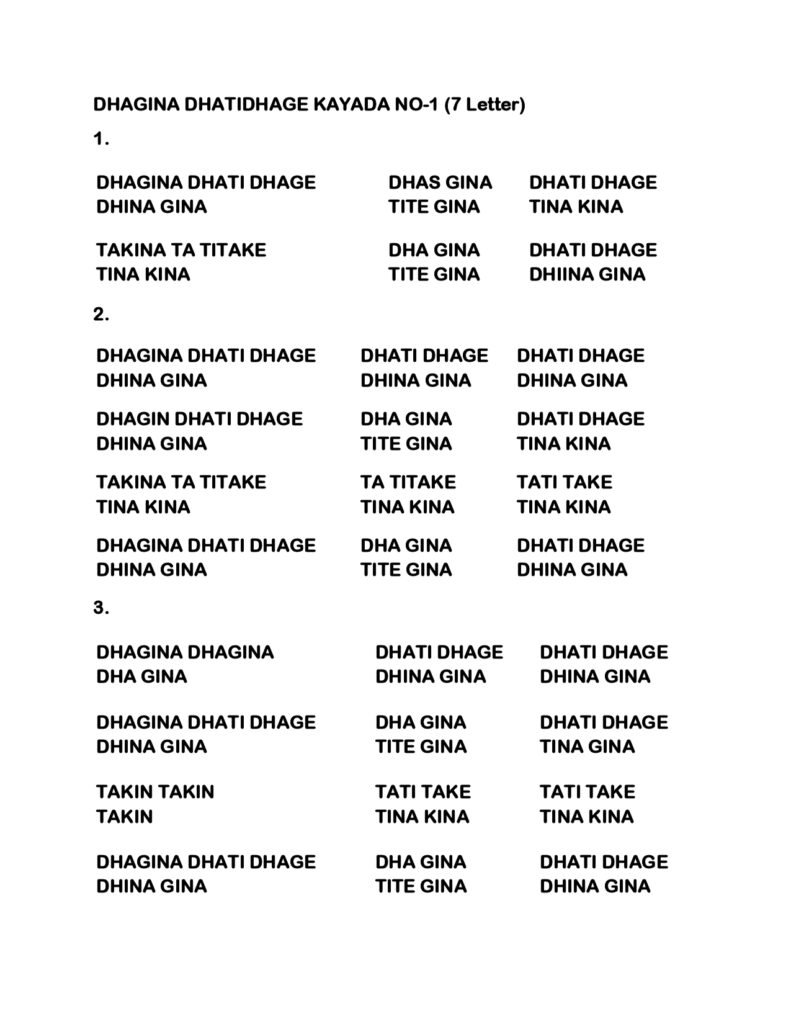
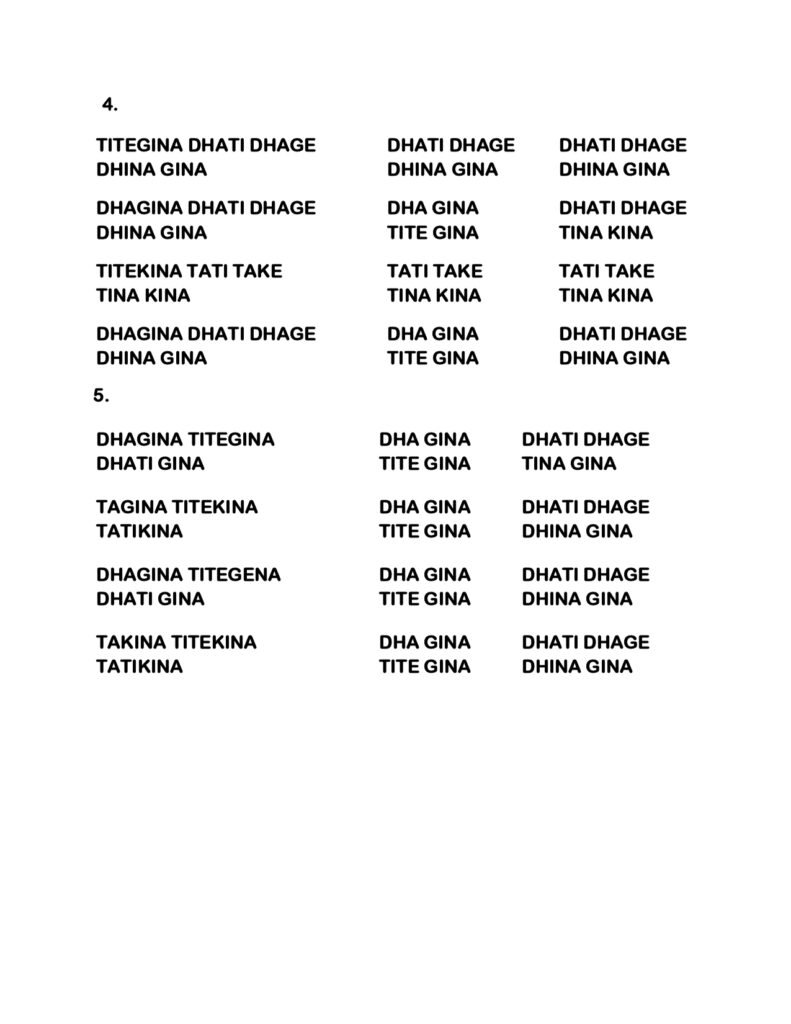
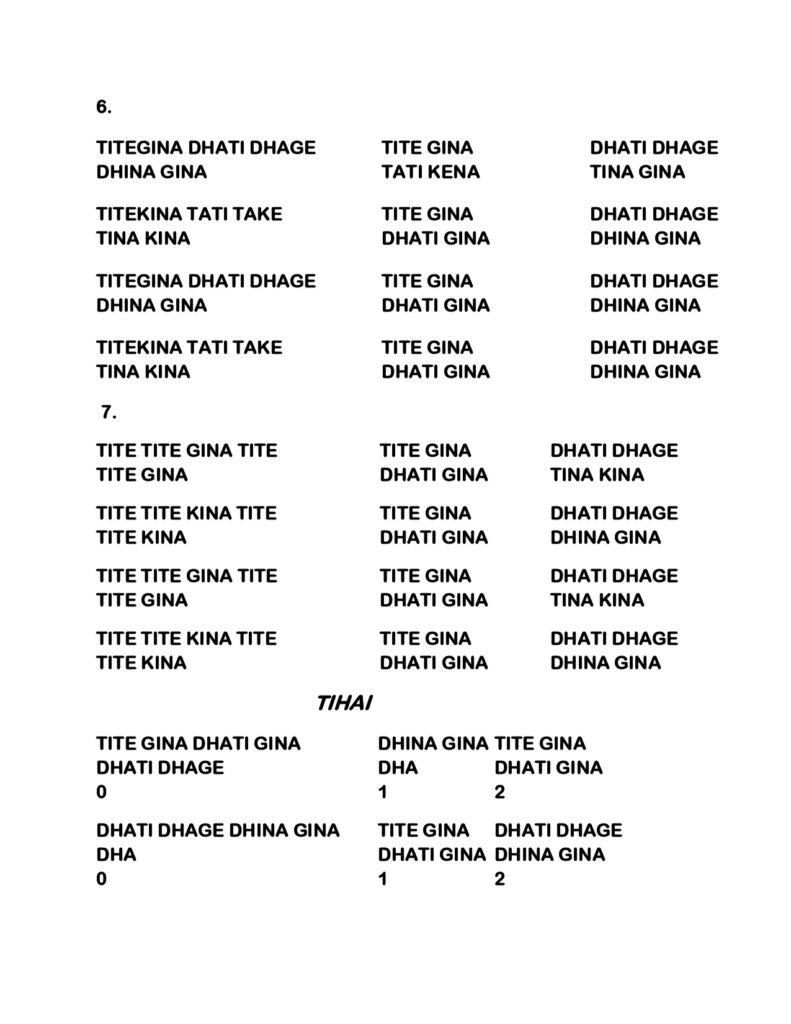
TIHAI
https://www.youtube.com/@BhagawanSingh
Exploring Rupak Taal and Its Beautiful Kaydas
The tabla, an iconic Indian percussion instrument, is celebrated for its intricate rhythmic patterns and versatility. Among the many rhythmic cycles in Indian classical music, Rupak Taal holds a special place. Its elegant 7-beat cycle offers endless possibilities for creativity, making it a favorite of tabla maestros and music enthusiasts alike. In this blog, we’ll dive into the structure of Rupak Taal, its kaydas (compositions), and its role in the world of rhythm.
What Is Rupak Taal?
Structure and Feel:
Rupak Taal is a 7-beat rhythmic cycle divided into three unequal sections:
| Beats | Division | Bol (Syllables) |
|---|---|---|
| 7 | 3 + 2 + 2 | **Tin Tin Na |
- Sam (1st beat): The start of the cycle is marked with Tin, giving it a light and graceful feel.
- Khali (4th beat): The khali, marked by a wave (absence of stroke), provides a distinctive emptiness at “Dhin Na,” contrasting beautifully with the rest of the rhythm.
What Is a Kayda?
A Kayda is a foundational composition in tabla playing, used to explore and improvise within the framework of a taal. It often starts with a simple pattern and develops into complex variations while maintaining its essence.
A Popular Rupak Taal Kayda
Here’s an example of a Rupak Taal Kayda:
Base Kayda:
| Tin Tin Na | Dhin Na | Dhin Na | | — | | Dha Dha Tite | Dha Ge | Tite Dha |
- This Kayda creates a rhythmically rich yet symmetrical pattern, providing ample room for variations.
Simple Variation:
| Tin Tin Na | Dhin Na | Dhin Na | | — | | Dha Ge Dha Ge | Tite Dha | Dha Tite Dha |
Why Is Rupak Taal Special?
Rupak Taal is unique because of its light yet dynamic quality, often used in:
- Classical vocal performances like khayal and thumri.
- Instrumental solos and tabla lehra performances.
- Modern fusion music, blending with instruments like the guitar, piano, and drums.
Famous Performances in Rupak Taal
- Zakir Hussain’s Masterpiece: Ustad Zakir Hussain’s solo in Rupak Taal showcases his incredible improvisation skills. His variations on kaydas, relas, and tukras are mesmerizing.
- Pandit Anindo Chatterjee’s Renditions: Known for his clarity and precision, Pandit Anindo Chatterjee’s performances in Rupak Taal bring out the taal’s melodic beauty.
Interactive Learning
Quick Quiz: Can You Identify the Beats?
Listen to this Rupak Taal audio clip and see if you can identify the sam and khali. Share your thoughts in the comments!
Poll: Favorite Taal
Which taal do you enjoy listening to the most?
- Teentaal
- Rupak Taal
- Ektaal
- Jhaptaal
Conclusion
Rupak Taal exemplifies the tabla’s rhythmic brilliance, and its kaydas offer a playground for creativity and exploration. Whether you’re a tabla student, a music lover, or just curious, delving into Rupak Taal is an enriching experience.
