
Rupak Taal Kayda 2 Tutorial: Dha Tirkit Dha Tite Ghena – A Complete Tabla Guide
Introduction to Rupak Taal Kayda 2
The tabla is one of the most expressive percussion instruments in Indian classical music, known for its rich vocabulary of bols, intricate rhythmic patterns, and ability to communicate emotion through rhythm. Among the many rhythmic exercises used by tabla students, Rupak Taal Kayda 2: “Dha Tirkit Dha Tite Ghena” is an excellent composition for developing clarity, finger control, rhythmic accuracy, and improvisational skills.
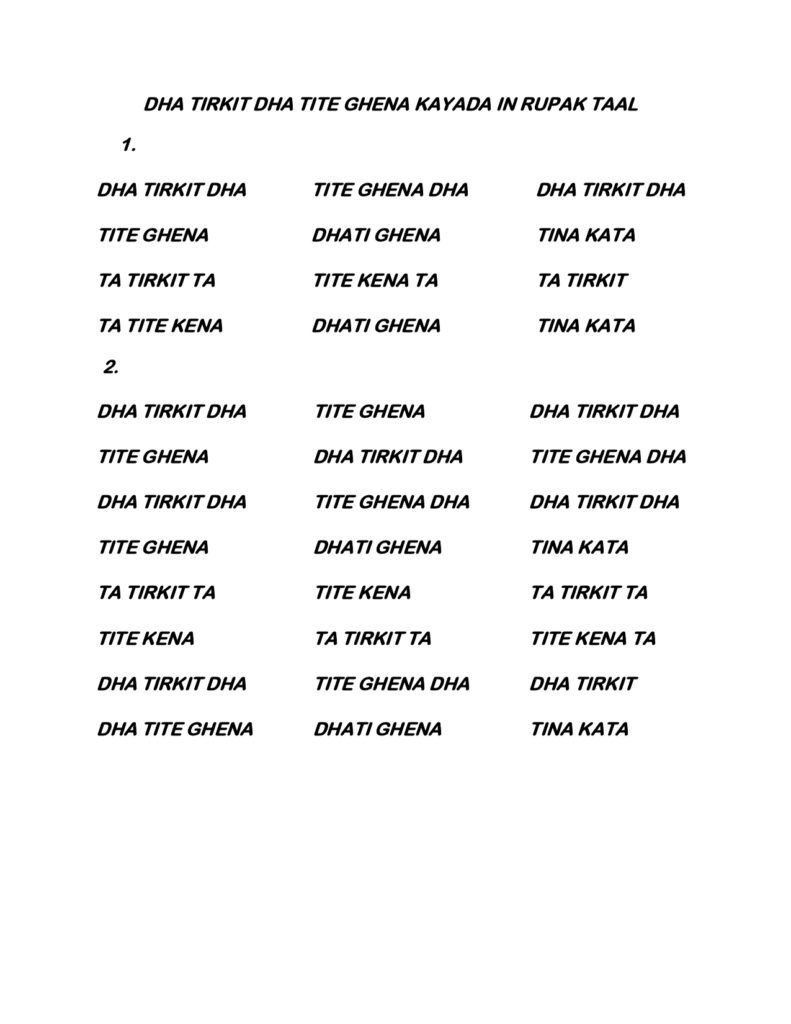
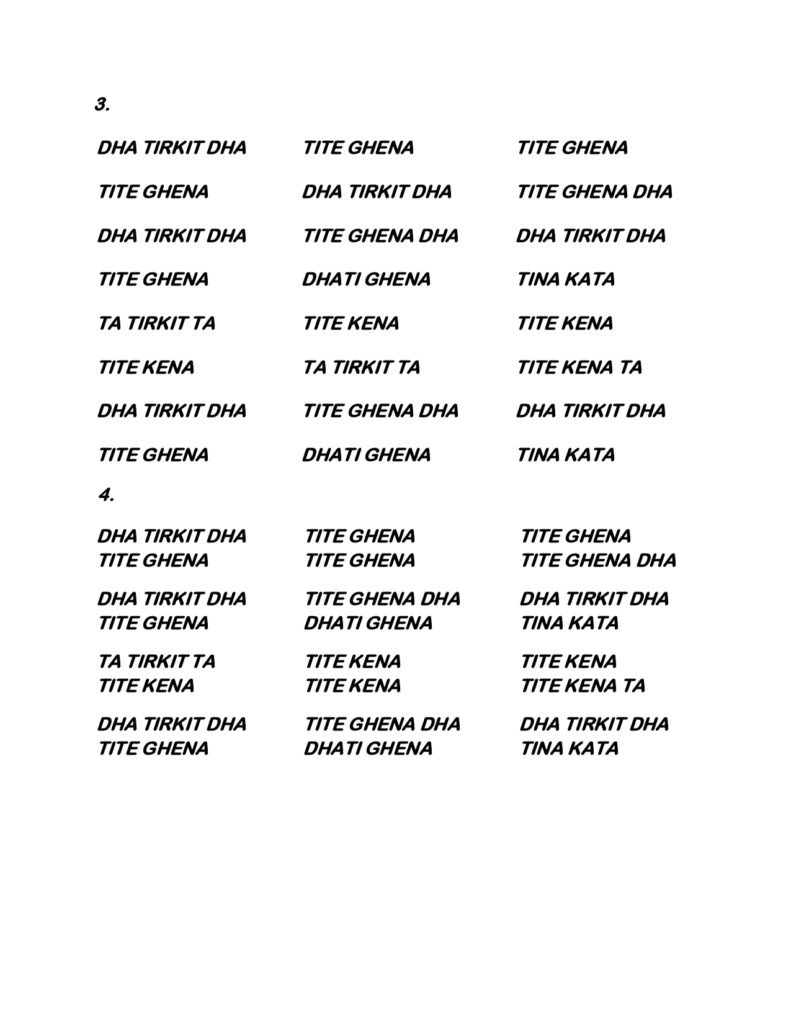
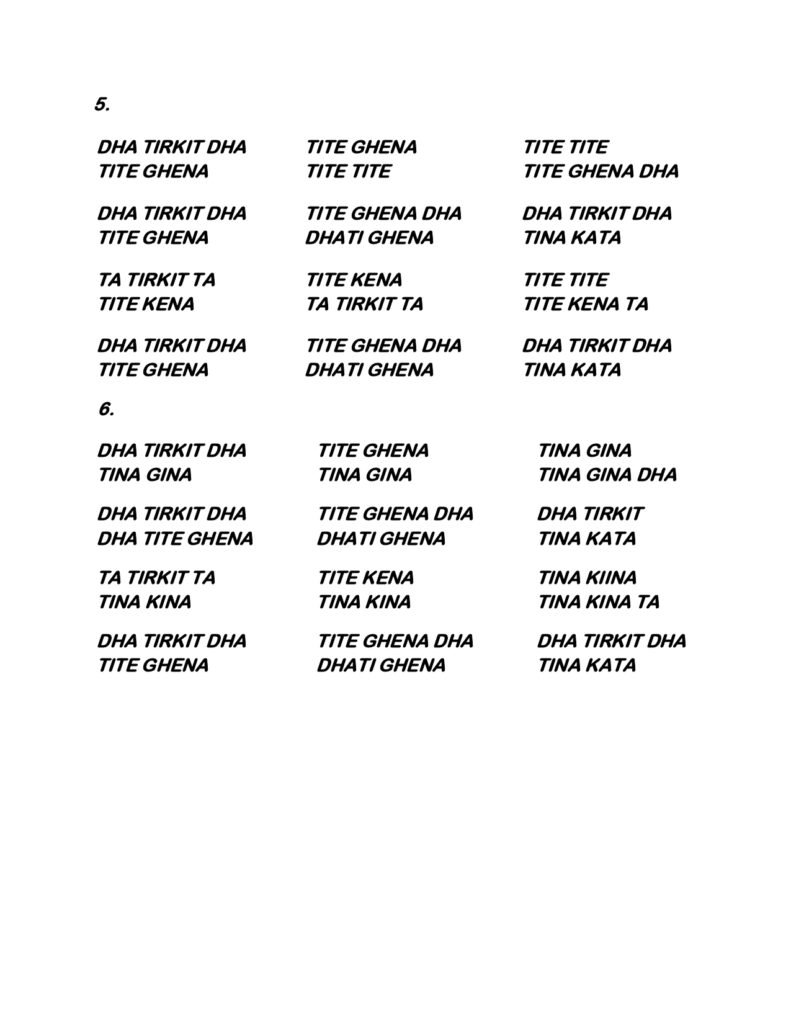
Rupak Taal is a popular taal in Hindustani classical music. It contains seven matras (beats) divided into three sections, making it distinctive among commonly practised taals. Learning a kayda in Rupak Taal helps students understand how to build rhythmic variations while maintaining the original structure of the composition.
Understanding Rupak Taal
Before practising the kayda, it is important to understand the structure of Rupak Taal.
- Total matras: 7
- Vibhag (sections): 3
- Division: 3 + 2 + 2
- Sam: The first matra
- Khali: The first matra, marked with a wave of the hand
- Tali: The fourth and sixth matras
Unlike many other common taals, Rupak Taal begins with khali on its first beat. This gives it a distinctive rhythmic character and makes it especially interesting to learn.
The commonly taught theka of Rupak Taal is:
Tin Tin Na | Dhin Na | Dhin Na
Count it as:
1 2 3 | 4 5 | 6 7
Practise clapping and waving your hand while reciting the bols. This will help you feel the seven-beat cycle naturally before attempting the kayda.
What Is a Kayda?
A kayda is a fundamental tabla composition that introduces a particular collection of bols and develops them through structured variations called paltas. The original composition is known as the mukh, and the variations must preserve the composition’s rhythmic framework and characteristic bols.
A kayda is not simply a pattern to memorise. It is a creative exercise that teaches students how to develop new rhythmic phrases from an original theme.
Learning the Kayda: Dha Tirkit Dha Tite Ghena
The main phrase for this tutorial is:
Dha Tirkit Dha Tite Ghena
Break the phrase into smaller parts to understand its articulation.
- Dha: A full, resonant stroke, generally combining the sounds of both drums.
- Tirkit: A sequence of lighter, clearly articulated finger strokes.
- Tite: A pair or sequence of strokes whose precise execution depends on the gharana and fingering method.
- Ghena: A characteristic combination of strokes that adds movement and tonal contrast to the phrase.
Bols can be fingered differently across tabla traditions, so follow the fingering taught by your guru or instructor.
Start by reciting the phrase aloud. Speak each bol clearly before playing it on the tabla. Once the words feel comfortable, practise the strokes slowly, concentrating on clean sound production rather than speed.
Step-by-Step Practice Method
Step 1: Practise the bols individually
Begin with Dha, then practise Tirkit, Tite, and Ghena separately. Ensure that each stroke sounds distinct and that your hands remain relaxed.
Step 2: Combine the phrase
Play:
Dha Tirkit | Dha Tite Ghena
Repeat it at a comfortable tempo. Listen for evenness between the individual strokes and avoid allowing the faster bols to become blurred.
Step 3: Fit the kayda into Rupak Taal
Rupak Taal has seven matras, but the phrase “Dha Tirkit Dha Tite Ghena” does not, by itself, specify a complete seven-matra composition. Your teacher’s full kayda notation determines how the bols are distributed across the cycle.
Use a written or demonstrated version of the complete kayda to place every bol accurately within the seven matras. Keep track of the sam and the three vibhags as you practise.
Step 4: Increase the tempo gradually
Once you can play the pattern comfortably, increase the speed a little at a time. Maintain clear articulation and consistent timing at every tempo.
Developing Paltas
After learning the original kayda, students can explore its paltas. These variations develop the rhythmic material while preserving the kayda’s underlying rules.
Practise each variation slowly, checking that the phrase fits the intended rhythmic cycle. Return to the original mukh between variations to strengthen your understanding of the composition.
Avoid inventing a variation solely to make it sound faster. A successful palta should be rhythmically balanced, technically clear, and musically connected to the original kayda.
Common Mistakes to Avoid
Rushing Tirkit: Practise the individual strokes slowly until each sound is clear.
Losing the taal: Recite Rupak Taal’s seven matras while playing, and use the hand gestures to reinforce the cycle.
Playing too forcefully: Use controlled movements and avoid unnecessary tension in your fingers and wrists.
Ignoring the sam: Learn to recognise where the cycle begins again. This is essential for performing confidently with a lehra, melody, or other musicians.
Memorising without understanding: Learn the bols, their placement, and their relationship to the taal rather than relying on muscle memory alone.
Interactive Practice Challenge
Test your understanding with these quick questions.
- How many matras are there in Rupak Taal?
- What is the division of its three vibhags?
- Which bol phrase are you learning in this tutorial?
- Why is it important to maintain clear articulation when practising Tirkit?
Practice task: Recite “Dha Tirkit Dha Tite Ghena” three times slowly, then play the phrase while keeping Rupak Taal’s seven-beat cycle in mind. Record your practice and listen for clarity, steadiness, and accurate placement.
Conclusion
The Rupak Taal Kayda 2 phrase “Dha Tirkit Dha Tite Ghena” offers a useful starting point for exploring tabla technique, rhythmic discipline, and the creative process behind kayda variations. By learning the bols carefully, understanding Rupak Taal’s seven-matra structure, and practising at a steady tempo, students can build a stronger foundation for more advanced compositions.
Remember that progress in tabla comes from patient, consistent practice. Focus on sound quality, rhythm, and relaxed technique before increasing speed.
https://www.youtube.com/@BhagawanSingh
https://www.facebook.com/sbsinghtablaguru