
Mastering Rupak Taal 7 Beats: Dynamic Relay Patterns on Tabla
Mastering Rupak Taal (7 Beats): Dynamic Relay Patterns on Tabla
Rupak Taal is one of the most graceful and intellectually stimulating rhythmic cycles in Indian classical music. With its distinctive 7-beat structure, Rupak Taal challenges both the performer and the listener, offering endless creative possibilities. For tabla players, mastering dynamic relay patterns in Rupak Taal is a major step toward rhythmic maturity, control, and expressive solo performance.
Understanding the Structure of Rupak Taal
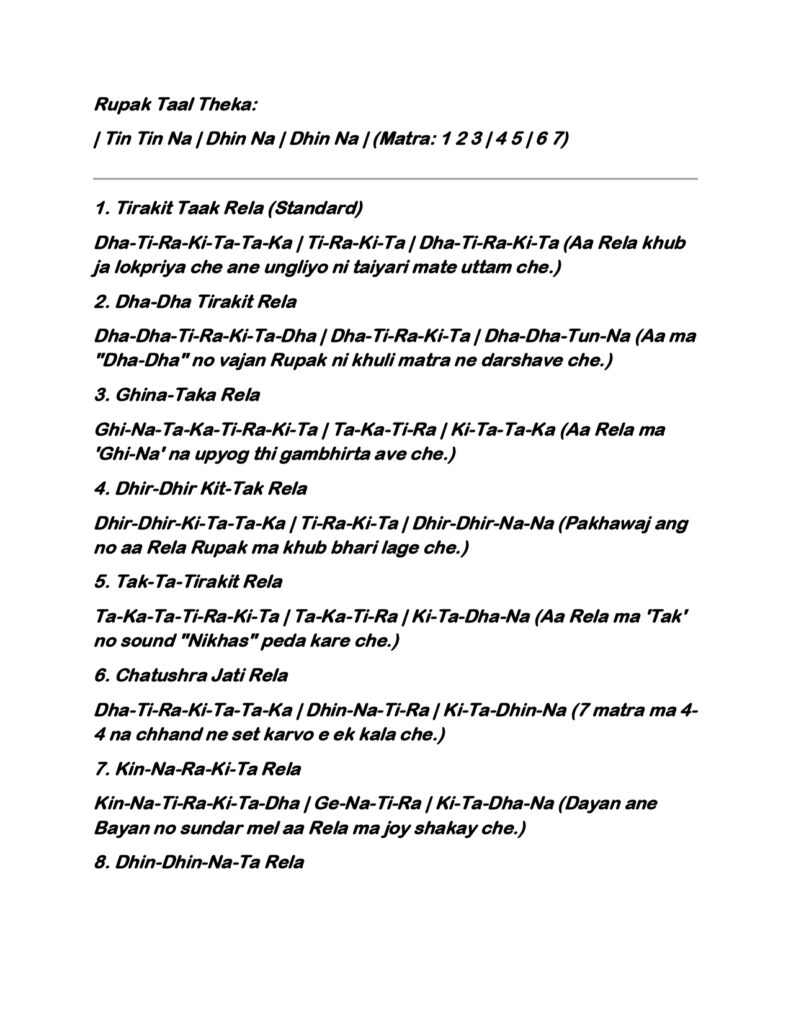
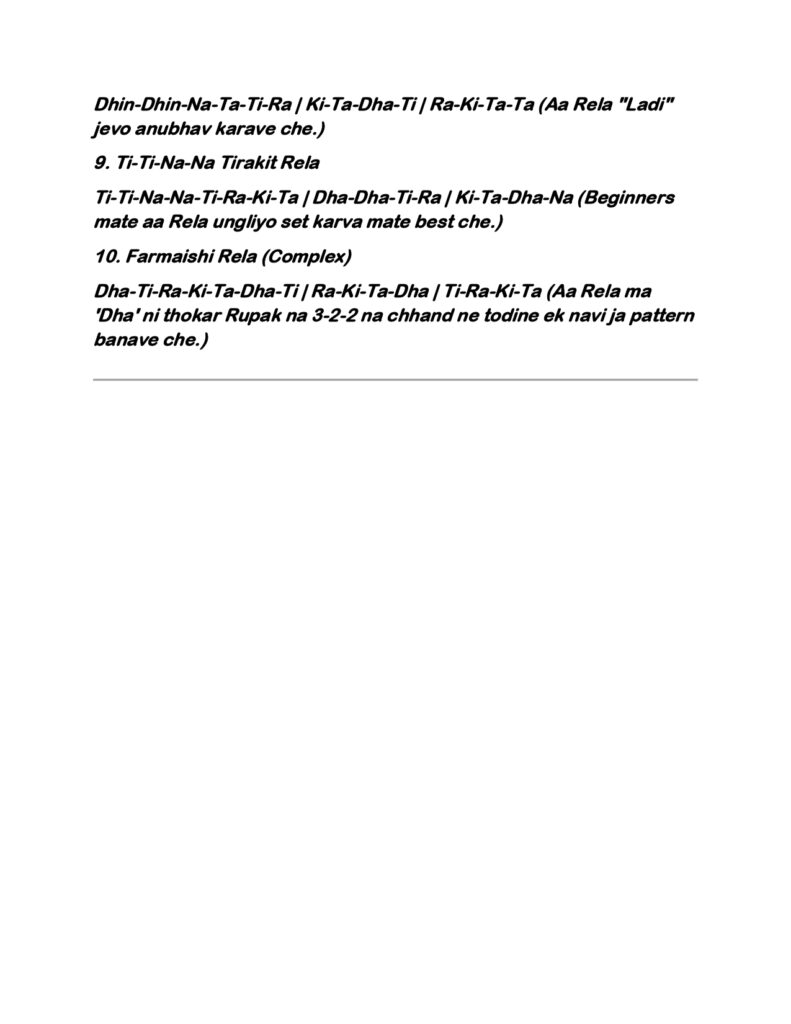
Rupak Taal is unique because it begins with a khali (empty beat), unlike most taals that start with a sam. Its traditional vibhag (division) structure is:
3 + 2 + 2 = 7 beats
The theka of Rupak Taal is commonly played as:
Tin Tin Na | Dhin Na | Dhin Na
This asymmetrical layout creates a floating feel, making Rupak Taal both subtle and powerful. Because of this structure, maintaining balance and clarity is essential, especially when performing relay-based compositions.
What Are Relay Patterns in Tabla?
Relay patterns in tabla refer to continuous rhythmic flow, where one phrase seamlessly passes into the next without breaking the taal framework. Much like runners passing a baton, relay playing maintains momentum while shifting emphasis, texture, and speed.
In Rupak Taal, relay patterns help:
- Maintain rhythmic continuity
- Build intensity without disturbing the cycle
- Enhance layakari (tempo play)
- Prepare smooth transitions toward tihai or mukhda
Relay patterns are particularly effective in odd-beat taals like Rupak, where mathematical awareness is crucial.
Importance of Relay Patterns in Rupak Taal
Because Rupak Taal does not follow an even beat structure, relay patterns help anchor the rhythm. They allow the tabla player to:
- Explore creative variations
- Maintain clarity of sam and khali
- Develop strong internal counting
- Build confidence in solo performance
Relay compositions in Rupak Taal often involve shifting bol patterns that align perfectly with the 7-beat cycle, making them sound complex yet controlled.
Practicing Dynamic Relay Patterns
To master relay patterns in Rupak Taal, practice should progress step by step:
- Start with the Theka
Play the theka repeatedly at slow tempo until the 7-beat cycle feels natural. - Introduce Simple Relays
Begin with short bol phrases like Dha Ge Na or Tin Na Dhin and rotate them across the taal cycle. - Focus on Layakari
Practice relay patterns in ekgun, dugun, and chaugun to strengthen tempo control. - Use Clear Hand Balance
Keep dayan and bayan strokes balanced to maintain tonal clarity during transitions. - Resolve on Sam
Always end relay phrases cleanly on sam to reinforce rhythmic discipline.
Common Relay Techniques in Rupak Taal
Some effective relay approaches include:
- Bol rotation, where a phrase shifts its starting point
- Phrase extension, gradually increasing bol length
- Dynamic contrast, alternating soft and powerful strokes
- Speed modulation, smoothly accelerating or decelerating
These techniques allow the performer to maintain excitement while respecting the taal structure.
Performance Applications
Relay patterns are widely used in tabla solos, accompaniment, and fusion settings. In classical concerts, they act as bridges between kayda, rela, and tihai sections. In light classical and contemporary music, Rupak Taal relays add rhythmic sophistication and freshness.
Many tabla maestros use Rupak Taal relay patterns to showcase their command over odd-beat cycles, often surprising audiences with fluid transitions and precise timing.
Final Thoughts
Mastering Rupak Taal (7 Beats) through dynamic relay patterns is a rewarding journey for any tabla student or performer. It sharpens rhythmic intelligence, enhances musical expression, and deepens understanding of Indian classical rhythm. With disciplined practice, careful listening, and creative exploration, relay patterns in Rupak Taal can transform your tabla playing into a confident, flowing, and powerful performance.