
Learn Rupak Kayda No. 6 Guide | Learn Dheere Kit Tat – A Complete Tabla Lesson
The tabla is an instrument where rhythm, creativity, and discipline come together. Learning different kaydas helps tabla students develop strong rhythmic understanding, improve finger control, and build confidence in their playing. One interesting composition to explore is Rupak Taal Kayda No. 6, featuring the beautiful bols and rhythmic phrases of Dheere Kit Tat. In this guide, we will explore the structure of Rupak Kayda No. 6, understand its bols, learn how to practise it, and discover useful tips for improving clarity, speed, and rhythm.
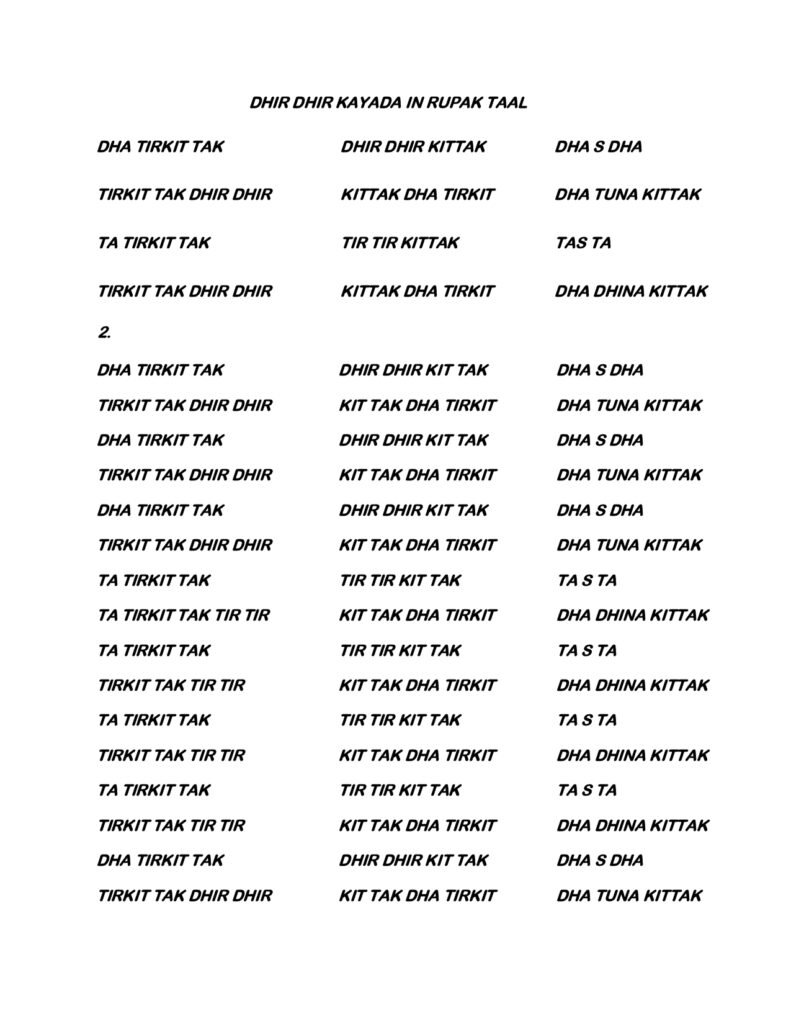
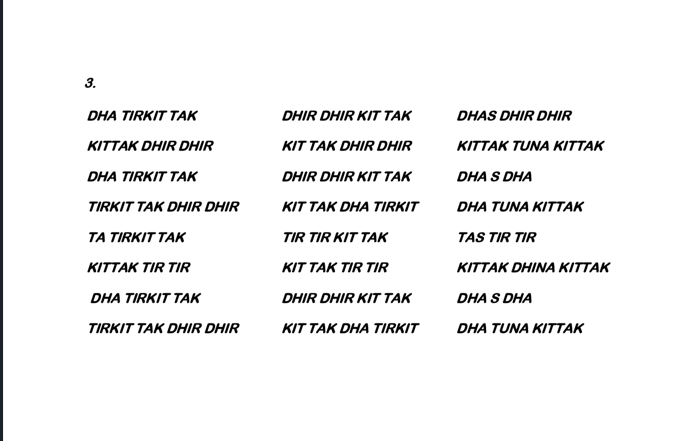
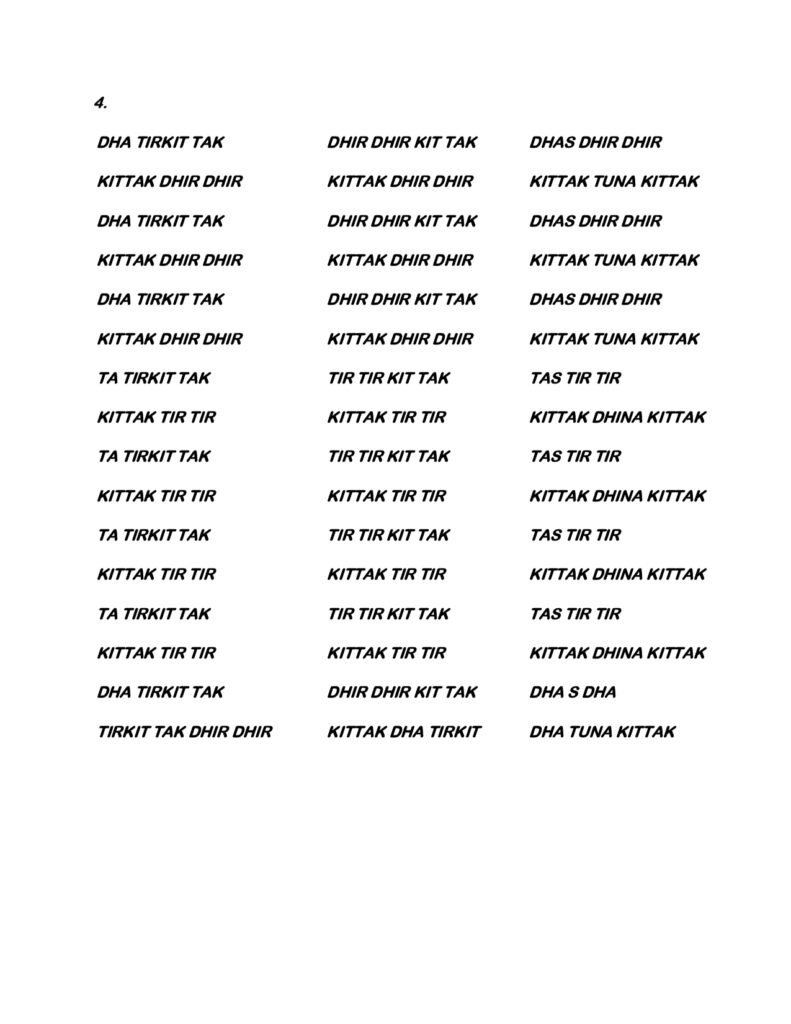
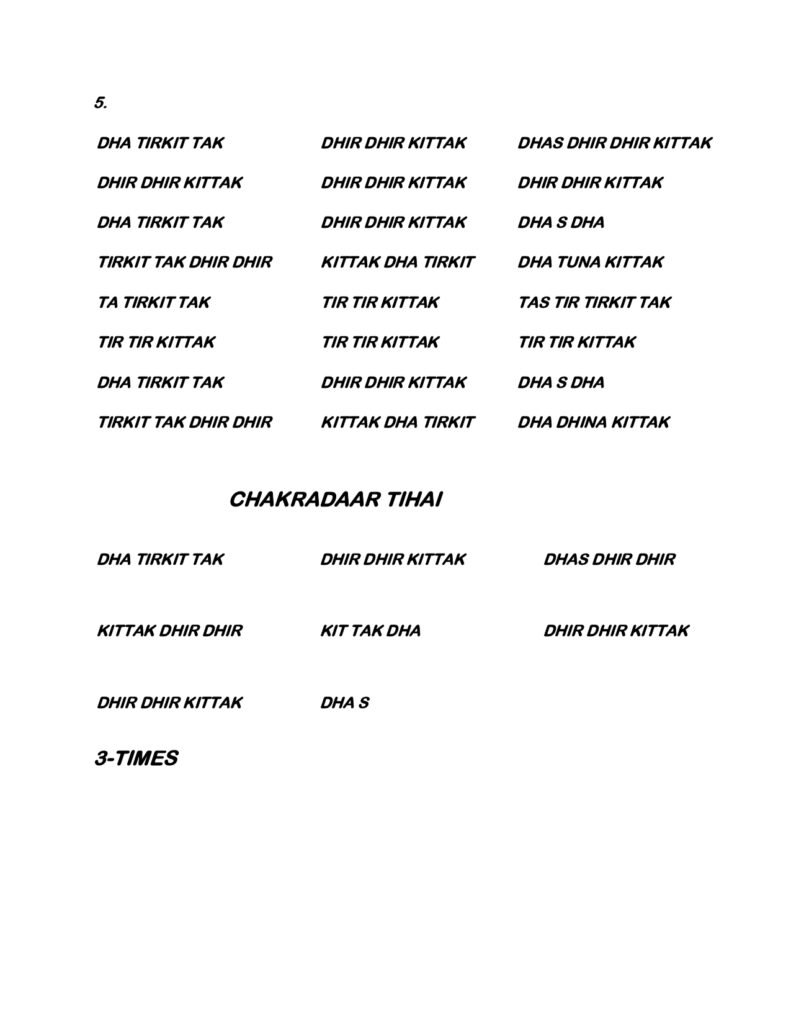
1. Understanding Rupak Taal
Before learning Rupak Kayda No. 6, it is important to understand the taal in which it is performed.
Rupak Taal is a popular taal in Hindustani classical music. It contains seven matras (beats), arranged into three divisions:
- First division: 3 matras
- Second division: 2 matras
- Third division: 2 matras
Its basic theka is:
Tin Tin Na | Dhin Na | Dhin Na
The most interesting feature of Rupak Taal is that its first beat (Sam) is marked as Khali, making it different from many other commonly practised taals.
Understanding this structure will help you perform Rupak Kayda No. 6 with better timing and accuracy.
2. What Is Rupak Kayda No. 6?
A kayda is a traditional tabla composition developed around a particular set of bols. It follows a structured pattern in which the main theme is introduced and then expanded through different variations called palta.
Rupak Kayda No. 6 focuses on developing rhythmic control through the bols associated with the phrase Dheere Kit Tat.
When learning this composition, pay attention to three important elements:
- Correct pronunciation of every bol.
- Consistent rhythmic flow throughout seven matras.
- Proper placement of the composition’s phrases in relation to Sam.
Remember that a kayda is not simply about playing bols quickly. It is about maintaining clarity, balance, and musical expression.
3. Learning the Bols: Dheere Kit Tat
The phrase Dheere Kit Tat is an excellent opportunity to practise finger coordination and develop a clean tabla sound.
Start by speaking the bols slowly before attempting to play them on the tabla.
Practice phrase:
Dheere – Kit – Tat
Repeat the phrase several times while maintaining an even tempo.
Focus on the following:
- Maintain clear pronunciation.
- Avoid unnecessary tension in your fingers.
- Keep the dayan strokes controlled.
- Maintain a steady rhythmic pulse.
- Listen carefully to the quality of every sound.
Different teachers and gharanas may use slightly different bol spellings, fingering techniques, and compositional variations. Follow the notation taught by your tabla guru for the authentic version of Kayda No. 6.
4. How to Practise Rupak Kayda No. 6
A systematic practice routine makes learning much easier.
Step 1: Understand the Theka
Begin by playing Rupak Taal’s theka slowly:
Tin Tin Na | Dhin Na | Dhin Na
Repeat it until you can maintain the seven-beat cycle comfortably.
Step 2: Practise the Main Kayda
Learn the complete Kayda No. 6 composition from your teacher’s notation or demonstration. First recite the bols without playing.
Step 3: Practise Slowly
Play the composition at a comfortable speed. Concentrate on producing clear strokes rather than increasing tempo.
Step 4: Learn the Paltas
Once you understand the main kayda, practise its variations one at a time. Every palta should maintain the rhythmic structure and return correctly to Sam.
Step 5: Practise the Tihai
A tihai is a rhythmic phrase repeated three times, generally concluding on Sam. Practising a suitable tihai will improve your understanding of rhythmic resolution.
5. Common Mistakes to Avoid
Many students experience difficulties while learning new kaydas. Here are some mistakes to watch out for:
- Playing too fast before mastering the basic composition.
- Forgetting the seven-matra structure of Rupak Taal.
- Producing unclear or uneven bols.
- Losing track of Sam during paltas.
- Ignoring the importance of proper finger technique.
The best approach is to practise slowly and consistently. Even 15–20 minutes of focused practice can help develop better rhythmic confidence.
6. Benefits of Learning This Kayda
Practising Rupak Kayda No. 6 can help students develop several important tabla skills:
- Better understanding of Rupak Taal.
- Improved finger coordination.
- Greater rhythmic awareness.
- Better control over traditional tabla bols.
- Increased confidence in performing kaydas and paltas.
It also helps students prepare for more advanced compositions and improvisational exercises.
7. Practice Challenge for Students
Here is a simple challenge to test your understanding:
Question 1: How many matras are there in Rupak Taal?
Question 2: What is the traditional theka of Rupak Taal?
Question 3: What is the purpose of practising paltas?
Question 4: Why should students practise slowly before increasing speed?
Try answering these questions before moving to your next tabla lesson!
8. Conclusion
Learning Rupak Kayda No. 6 – Dheere Kit Tat is a valuable step in developing your tabla-playing skills. It encourages students to understand rhythmic structure, improve bol clarity, and develop better control over their instrument.
Remember that consistent practice, correct technique, and guidance from an experienced tabla teacher are essential for mastering any kayda.
Keep practising, keep exploring new rhythms, and enjoy your tabla journey!
If you want to improve your knowledge of Indian classical percussion, continue exploring different kaydas, taals, paltas, and traditional tabla compositions.
Suggested SEO keywords: Rupak Kayda No. 6, Learn Dheere Kit Tat, Rupak Taal Tabla, Tabla Kayda Lessons, Tabla Practice, Learn Tabla Online, Indian Classical Tabla.
SEO meta description: Learn Rupak Kayda No. 6 with our Dheere Kit Tat guide. Understand Rupak Taal, tabla bols, practice techniques, paltas, and tips for improving your tabla skills.
Note: The exact bol-by-bol notation of Kayda No. 6 should be added from your teacher’s or school’s original composition so that the lesson does not present an incorrect traditional version.
https://www.youtube.com/@BhagawanSingh
https://www.facebook.com/sbsinghtablaguru