
Learn Rupak Kayda No. 5: Fast Dhati Dhage Nadha Tirkit – An Exciting Tabla Lesson
Introduction: Explore the Beauty of Rupak Kayda
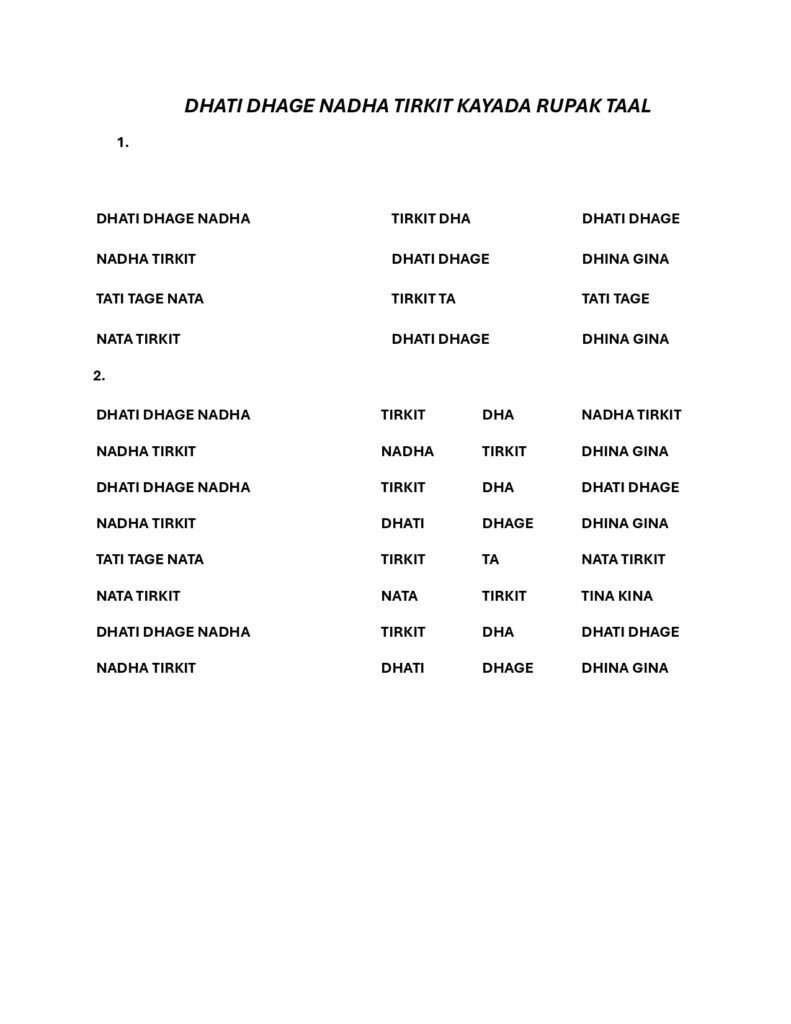
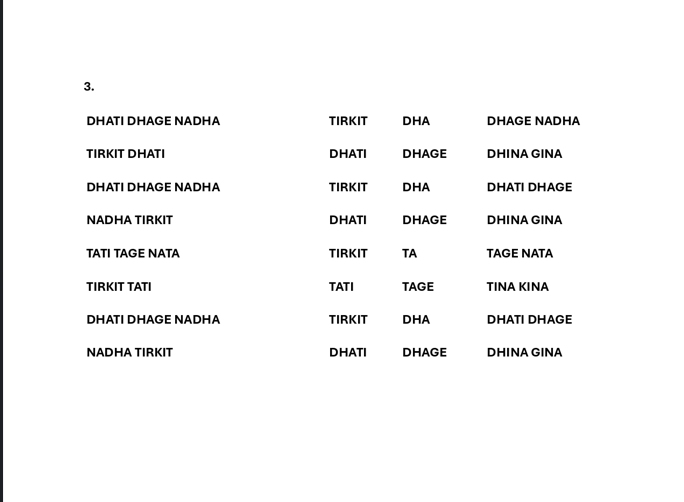
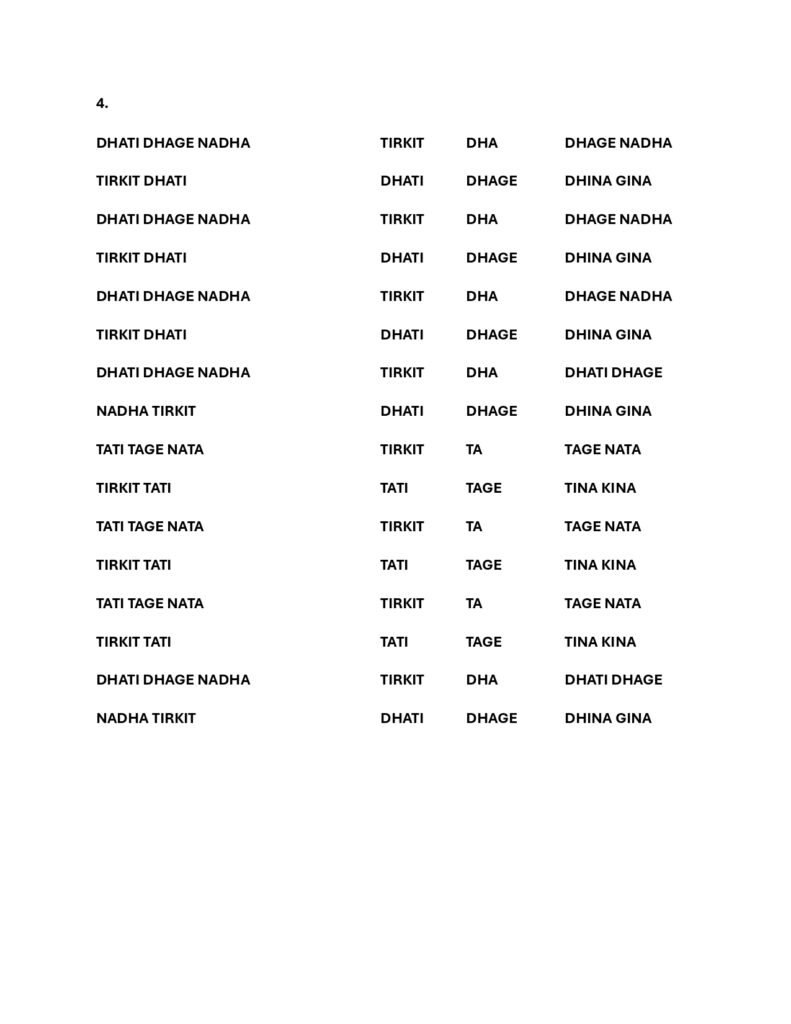
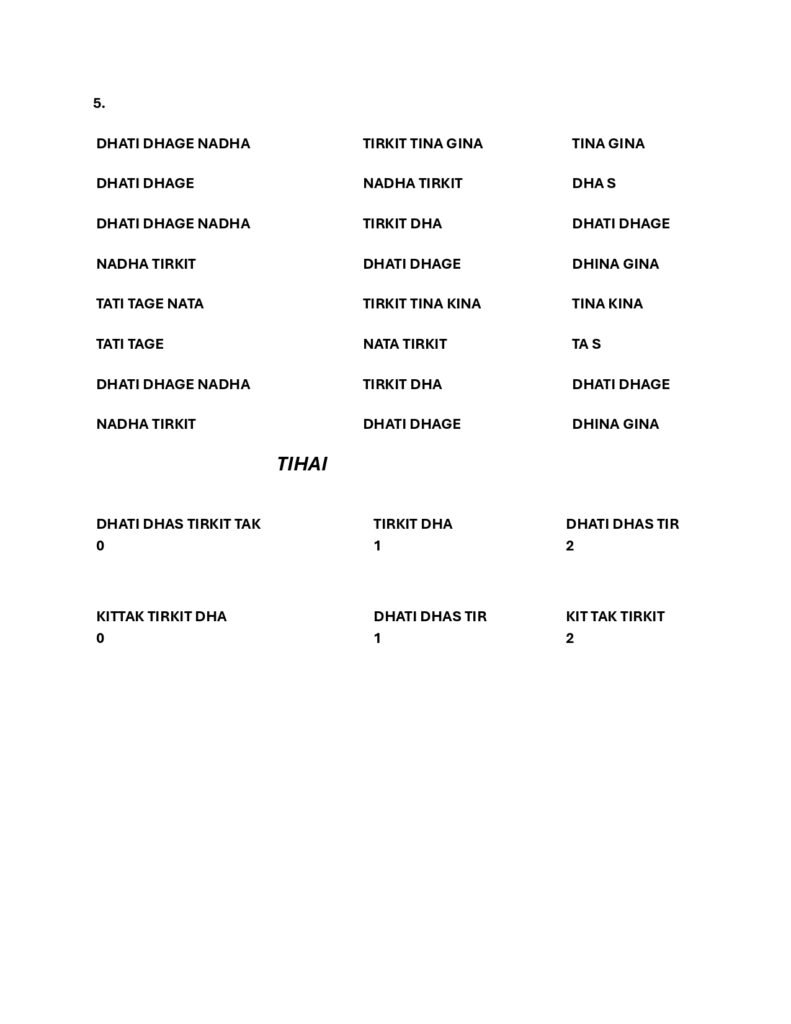
Are you ready to improve your tabla playing speed, rhythm, and finger control? Welcome to another exciting tabla lesson! In this lesson, we will explore Rupak Kayda No. 5 – Fast Dhati Dhage Nadha Tirkit, an engaging composition designed to help tabla learners develop speed, clarity, rhythmic accuracy, and confidence. Rupak Kayda No
Rupak Taal is one of the popular taals in Indian classical music. It consists of seven matras (beats), divided into three sections: 3 + 2 + 2. Its distinctive rhythmic structure makes it an interesting taal for practicing different kaydas, relas, and variations.
This lesson focuses on playing a fast and energetic kayda while maintaining proper technique and clear pronunciation of every bol.
1. Understanding Rupak Taal
Before learning Rupak Kayda No. 5, let’s understand the basic structure of Rupak Taal.
Rupak Taal contains seven matras divided into three vibhags:
- First Vibhag: 3 matras
- Second Vibhag: 2 matras
- Third Vibhag: 2 matras
Rupak Taal Theka:
Tin Tin Na | Dhin Na | Dhin Na
Its traditional tali-khali structure is also interesting because the first beat is khali (wave), while the fourth and sixth beats are tali (claps).
Understanding the theka is essential because it provides the rhythmic foundation for playing the kayda correctly.
2. Introduction to Rupak Kayda No. 5
A kayda is a traditional tabla composition built around a specific combination of bols. The player develops different variations, known as palta, while maintaining the original rhythmic structure.
Our fifth Rupak Kayda lesson focuses on the energetic bols:
Dhati Dhage Nadha Tirkit
These bols help develop finger coordination, rhythmic precision, and playing speed.
The main objective is not simply to play fast. It is to produce every bol clearly, maintain an even rhythm, and understand how the composition fits into the seven-beat cycle of Rupak Taal.
3. Learning the Fast Dhati Dhage Nadha Tirkit Technique
When practicing this kayda, pay special attention to the pronunciation and execution of each bol.
Here are some important practice tips:
Dhati: Focus on clear articulation and controlled finger movement.
Dhage: Maintain balanced strokes and avoid unnecessary tension in your hands.
Nadha: Concentrate on producing a consistent sound while maintaining rhythmic accuracy.
Tirkit: Practice the combination slowly before gradually increasing your speed.
Remember that tabla playing requires a balance between technique, sound quality, and rhythm. Rushing through the composition can make the bols unclear.
4. Practice Method: From Slow to Fast
One of the best ways to master Rupak Kayda No. 5 is to follow a gradual practice routine.
Step 1: Slow Practice
Begin at a comfortable speed. Repeat the bols carefully and make sure each sound is distinct.
Step 2: Medium Speed
Once you feel comfortable, increase the tempo slightly. Focus on maintaining equal spacing between the notes.
Step 3: Fast Practice
Now try playing the Dhati Dhage Nadha Tirkit pattern at a faster tempo. Keep your hands relaxed and maintain consistent sound quality.
Step 4: Practice with Rupak Taal
Play along with the Rupak Taal theka or a reliable lehra accompaniment. This will help you understand the relationship between the kayda and the taal cycle.
5. Benefits of Learning This Kayda
Practicing Rupak Kayda No. 5 offers several benefits for tabla students.
- Improved speed: Develops faster and more controlled finger movements.
- Better coordination: Helps both hands work together efficiently.
- Rhythmic accuracy: Strengthens your understanding of Rupak Taal.
- Bol clarity: Improves the pronunciation and sound quality of individual strokes.
- Performance confidence: Helps prepare students for more advanced tabla compositions.
Consistent practice is more valuable than playing at maximum speed. Even a short daily session can produce noticeable improvements over time.
6. Watch, Listen, and Practice Along
The best way to understand a tabla composition is to listen carefully and observe its execution.
Watch the lesson demonstration of Rupak Kayda No. 5 – Fast Dhati Dhage Nadha Tirkit and follow the bols step by step.
Pay attention to the hand movements, speed, rhythm, and clarity of the strokes. Pause the demonstration whenever necessary and repeat difficult sections until you feel comfortable.
You can also explore additional tabla lessons covering Rupak Taal, kaydas, paltas, relas, and traditional compositions to strengthen your musical foundation.
7. Tips for Tabla Students
Here are five useful suggestions to improve your practice:
- Practice the basic Rupak Taal theka before starting the kayda.
- Recite the bols verbally before playing them on the tabla.
- Use a metronome or lehra to maintain a steady tempo.
- Avoid unnecessary tension in your fingers and wrists.
- Record your practice occasionally to check your speed and clarity.
Conclusion: Master the Rhythm of Rupak Kayda No. 5
Rupak Kayda No. 5 – Fast Dhati Dhage Nadha Tirkit is an enjoyable composition for tabla students who want to improve their speed, coordination, and rhythmic understanding.
Remember, becoming a skilled tabla player requires patience, dedication, and regular practice. Start slowly, focus on every bol, and gradually develop the speed needed to perform the kayda confidently.
Keep practicing, keep learning, and let the rhythm speak!
If you enjoyed this lesson, explore more tabla tutorials and share your experience in the comments. Tell us: What is your favourite Rupak Taal composition?
https://www.youtube.com/@BhagawanSingh