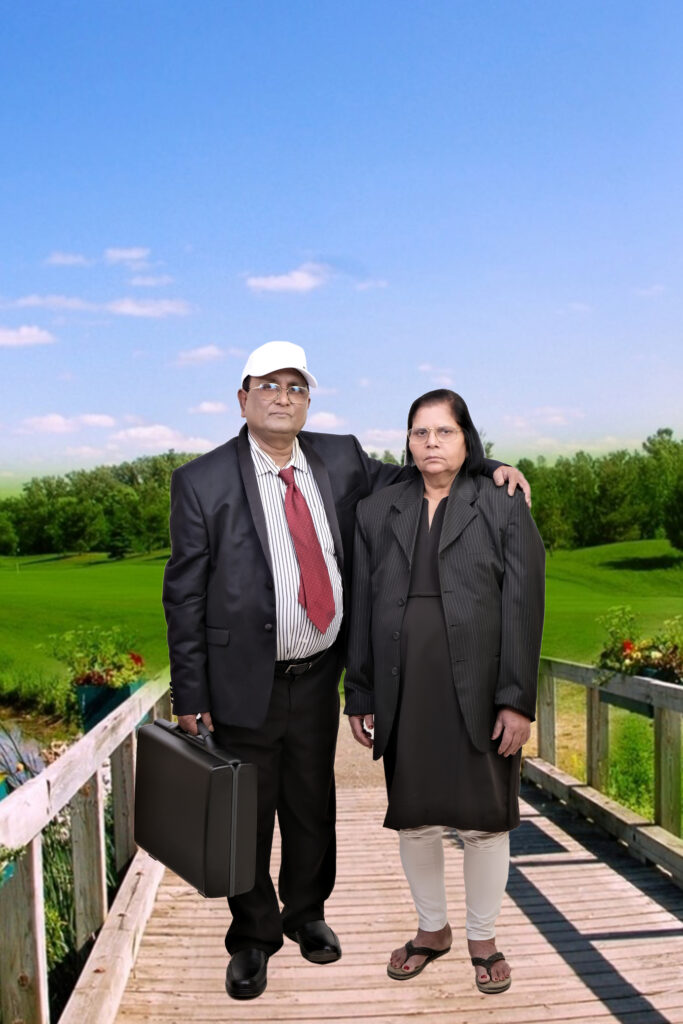
Mastering the Rhythm: Lessons from the World’s Best Tabla Teacher, Shree Bhagwan Singh
Tabla is not merely a percussion instrument; it is a complete language of rhythm, discipline, and spiritual expression. Few masters in the world have embodied this philosophy as deeply and authentically as Shree Bhagwan Singh, widely regarded as one of the world’s finest tabla teachers. His journey from traditional Indian classical roots to the global stage stands as an inspiration for students and musicians across continents. Wikimedia Commons
Shree Bhagwan Singh’s teaching is grounded in the guru–shishya parampara, where discipline, respect, and dedication form the foundation of musical growth. He believes that tabla is not learned only through technique but through character, patience, and inner rhythm. Every bol, every theka, and every layakari carries a deeper meaning that connects the student to centuries of musical heritage.
r Shree Bhagwan Singh is a distinguished tabla maestro and educator based in Horamavu, Bangalore, with over three decades of experience in Indian classical music. Born on March 12, 1960, in Chapra, Bihar, he has dedicated his life to mastering and teaching the tabla, significantly contributing to the preservation and dissemination of this traditional art form. UrbanPro
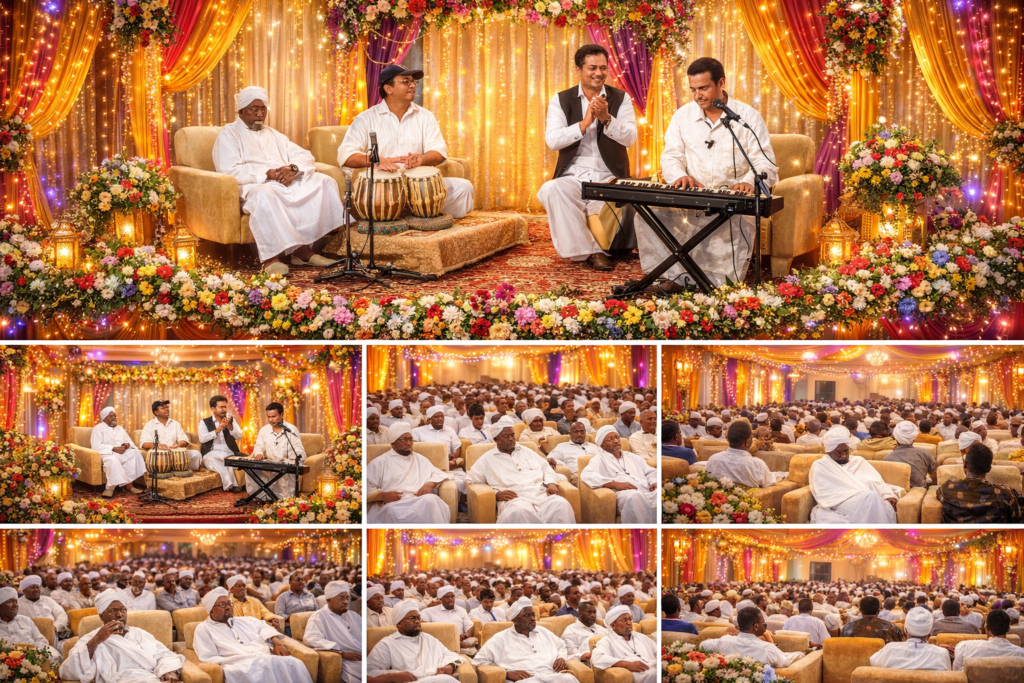
What truly sets Shree Bhagwan Singh apart is his international contribution to tabla education. He has taught tabla at the international level in several countries, including Egypt, Sudan, and Lebanon—predominantly Arabic-speaking nations where Indian classical music is not traditionally widespread. Introducing tabla in these regions required not only mastery of the instrument but also cultural sensitivity, adaptability, and vision.
In Egypt, Shree Bhagwan Singh worked with musicians who were deeply rooted in Middle Eastern rhythmic traditions. Instead of imposing Indian concepts abruptly, he skillfully built bridges between Indian taal systems and Arabic rhythms, helping students understand similarities in rhythmic cycles and accents. This approach made tabla accessible and relatable, allowing students to appreciate its depth without cultural barriers.
In Sudan, his teaching emphasized rhythm as a universal language. Many students had no prior exposure to Indian classical music, yet under his guidance, they learned to perform complex taals such as Teentaal, Ektaal, and Jhaptal with confidence. His method focused on clarity of bols, strong taal awareness, and disciplined practice, proving that musical excellence transcends geography.
Lebanon presented another unique environment where music education often blends Eastern and Western influences. Shree Bhagwan Singh’s classes there attracted musicians from diverse backgrounds—percussionists, composers, and vocalists—who sought to expand their rhythmic vocabulary. His lessons highlighted precision, balance, and emotional expression, helping students integrate tabla into fusion, classical, and contemporary performances.
One of the most important lessons from Shree Bhagwan Singh’s teaching philosophy is his emphasis on listening before playing. He trains students to internalize rhythm mentally before expressing it physically. According to him, a tabla player must first become a listener—aware of silence, space, and tempo—before attempting speed or complexity. This principle has helped countless students avoid mechanical playing and develop true musicality.
Another hallmark of his teaching is discipline in practice. Shree Bhagwan Singh strongly advocates regular riyaaz, even if it is for a short duration each day. He teaches that consistency matters more than speed and that mastery is built slowly through repetition, patience, and humility. His students often describe his guidance as firm yet deeply encouraging, pushing them to exceed their own limitations.
Beyond technique, Shree Bhagwan Singh instills a deep respect for Indian classical tradition. He educates students about the history of tabla, the contributions of great gharanas, and the responsibility of carrying this art forward with sincerity. For international students, this cultural context enriches their understanding and creates a genuine connection to the music.
Today, Shree Bhagwan Singh’s legacy lives on through his students spread across different parts of the world. His work in Arabic-speaking countries stands as a powerful example of how Indian classical music can thrive globally when taught with authenticity and openness. By mastering rhythm and nurturing minds, he has not only trained tabla players but also created ambassadors of Indian culture.
In every sense, Shree Bhagwan Singh represents the true spirit of a world-class guru—one who teaches not just how to play, but how to listen, feel, and live rhythm.
https://www.facebook.com/sbsinghtablaguru
https://www.linkedin.com/in/shree-singh-bb483059