Jhaptaal Baat: Mastering the 10-Beat Magic of Tabla
Introduction
Did you know that not all rhythms in Indian music follow simple patterns like 4 or 8 beats? One of the most fascinating rhythmic cycles is Jhaptaal, a 10-beat taal that challenges and excites musicians alike. The term “Jhaptaal Baat” refers to the conversation or expression of bols (syllables) within this rhythmic cycle—where the tabla doesn’t just keep time, it speaks. Whether you’re a beginner or an aspiring tabla player, learning Jhaptaal opens the door to a deeper understanding of rhythm and musical storytelling.
📜 Historical Context
Jhaptaal has been a part of Hindustani classical music for centuries. It is commonly used in khayal गायकी (vocal music) as well as instrumental performances. Unlike the more symmetrical Teentaal (16 beats), Jhaptaal’s asymmetrical structure (2+3+2+3) gives it a unique and expressive feel.
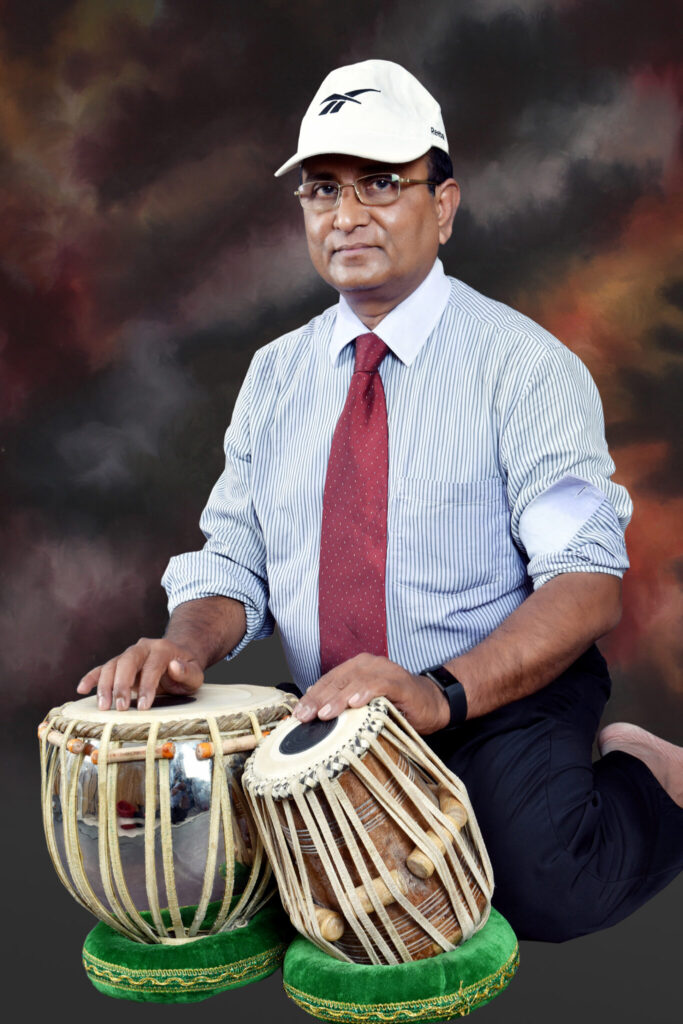
Great tabla maestros like Ustad Sb Singh and Pandit Kishan Maharaj have used Jhaptaal in performances to create intricate rhythmic dialogues. A lesser-known fact: Jhaptaal was often used in semi-classical forms because of its playful yet complex nature—making it perfect for improvisation.
🛠️ Understanding Jhaptaal Structure
Jhaptaal consists of 10 beats (matras) divided into 4 sections (vibhags):
Structure:
👉 2 + 3 + 2 + 3
Clap (Tali) and Wave (Khali) Pattern:
- Clap (1)
- Clap (3)
- Wave (6)
- Clap (8)
Theka (Basic Bols):
Dhi Na | Dhi Dhi Na | Tin Na | Dhi Dhi Na
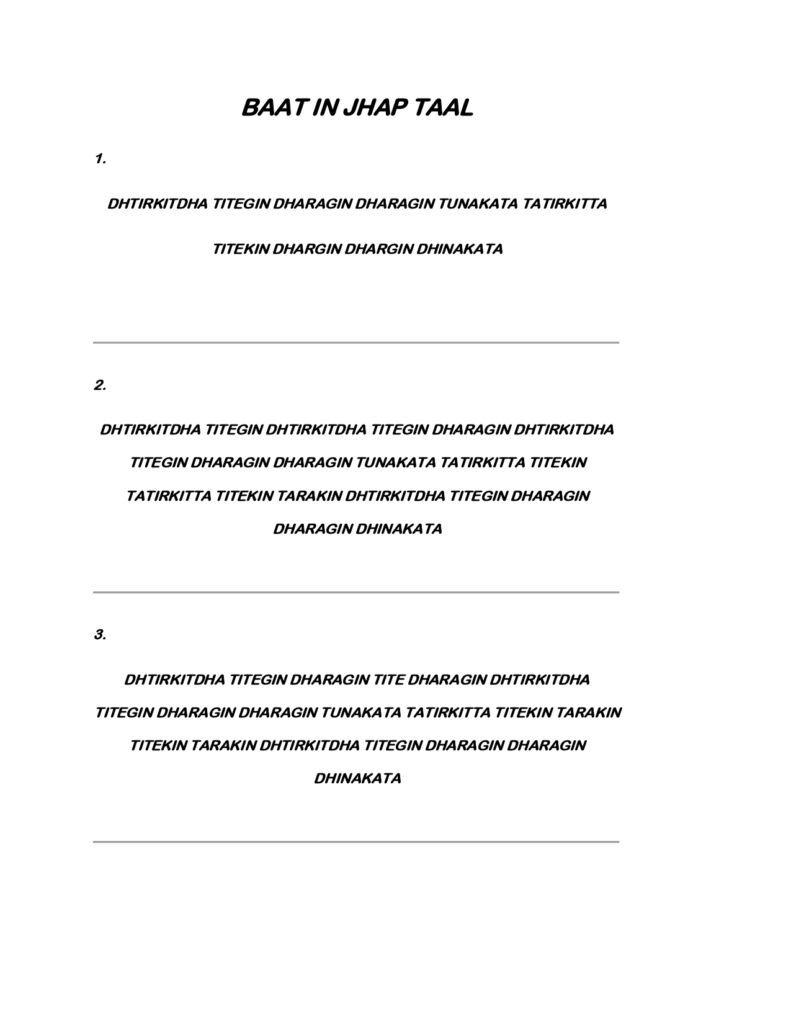
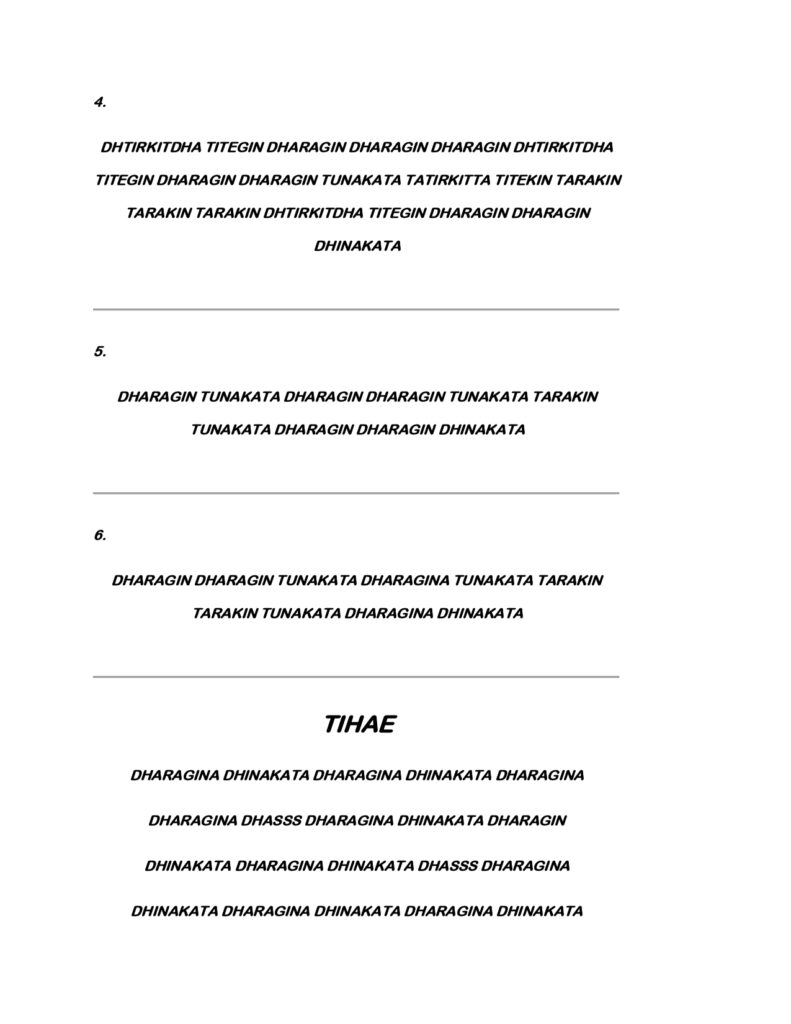
Each bol represents a specific stroke on the tabla. The beauty of Jhaptaal Baat lies in how these bols are expanded, improvised, and creatively expressed.
🥁 What is “Jhaptaal Baat”?
In tabla language, “Baat” means conversation or elaboration. So, Jhaptaal Baat is the art of:
- Expanding the basic theka
- Playing variations (kayda, rela, tukda)
- Creating rhythmic dialogue with musicians
Instead of just repeating theka, the tabla player interacts with the melody, adding flavor and complexity.
🎶 Basic Playing Techniques
To play Jhaptaal effectively, you need to master a few key strokes:
- Dhi – Both drums played together
- Na – Right-hand sharp stroke
- Tin – Resonant right-hand tone
👉 Start slow. Count aloud:
1 2 | 3 4 5 | 6 7 | 8 9 10
Then recite the bols while clapping the structure. This builds strong rhythmic awareness.
🔊 Listen to Jhaptaal in Action
Here’s a classic tabla performance demonstrating Jhaptaal:
▶️ Tabla Ushtad Sb Singh Solo
https://youtu.be/X2AqF3zeY2w
Pay attention to how the bols evolve—it’s a perfect example of Jhaptaal Baat in real time.
🌟 Popular Usage of Jhaptaal
While Jhaptaal is mostly found in classical music, it also appears in fusion and modern compositions. Some performances and songs where Jhaptaal shines include:
- Classical Khayal Performances – Often set in Jhaptaal for expressive improvisation
- Instrumental Solos – Sitar and sarod artists frequently use it
- Fusion Projects – Artists blend Jhaptaal with jazz and world music
The tabla in these pieces doesn’t just accompany—it leads the rhythmic narrative.
🌍 Cultural Impact
The tabla, including taals like Jhaptaal, has gained global recognition. According to music education platforms, interest in learning tabla has grown by over 30% worldwide in recent years.
As Sb Singh once said:
“Rhythm is the universal language—tabla is just one of its most beautiful dialects.”
Jhaptaal, with its asymmetry, represents the complexity and richness of Indian rhythm on the global stage.
🎯 Interactive Quiz
Test your knowledge!
Q1: How many beats are in Jhaptaal?
a) 8
b) 10
c) 12
Q2: What is the division of Jhaptaal?
a) 4+4+2
b) 2+3+2+3
c) 5+5
(Answers: b, b)
📊 Quick Poll
👉 Which taal do you find most interesting?
- Teentaal
- Jhaptaal
- Ektaal
- Rupak
📚 Learn More
Want to practice Jhaptaal Baat? Check these resources:
- YouTube Tabla Tutorials (search: “Jhaptaal for beginners”)
- Online courses on tabla basics
- Practice apps with tabla loops
✨ Conclusion
Jhaptaal Baat is more than just rhythm—it’s a conversation between beats, hands, and emotions. Its 10-beat cycle challenges the mind while offering endless creative possibilities.
As music continues to evolve in 2026 and beyond, Jhaptaal remains a powerful tool for musicians seeking depth and expression.
https://www.facebook.com/sbsinghtablaguru