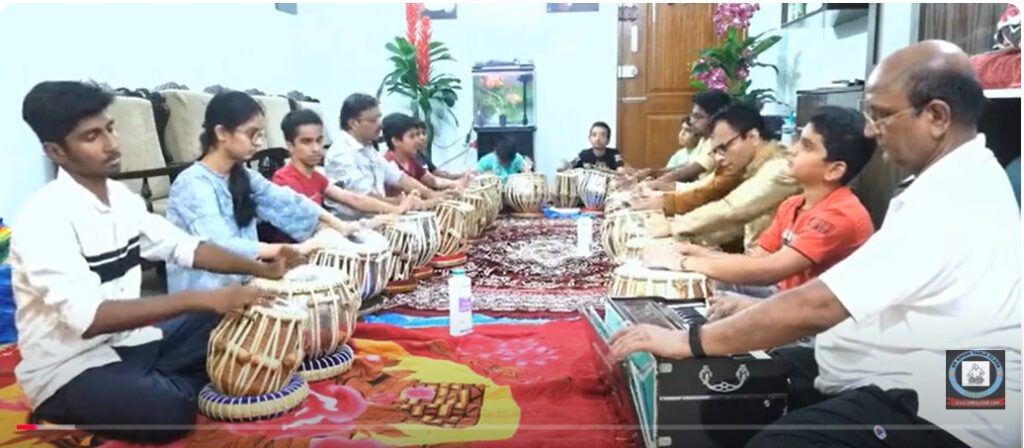
Jhula Baat: The Mesmerizing 16-Beat Independent Swing Rhythm That Moves the Soul
Jhula Baat: The Mesmerizing 16-Beat Independent Swing Rhythm That Moves the Soul
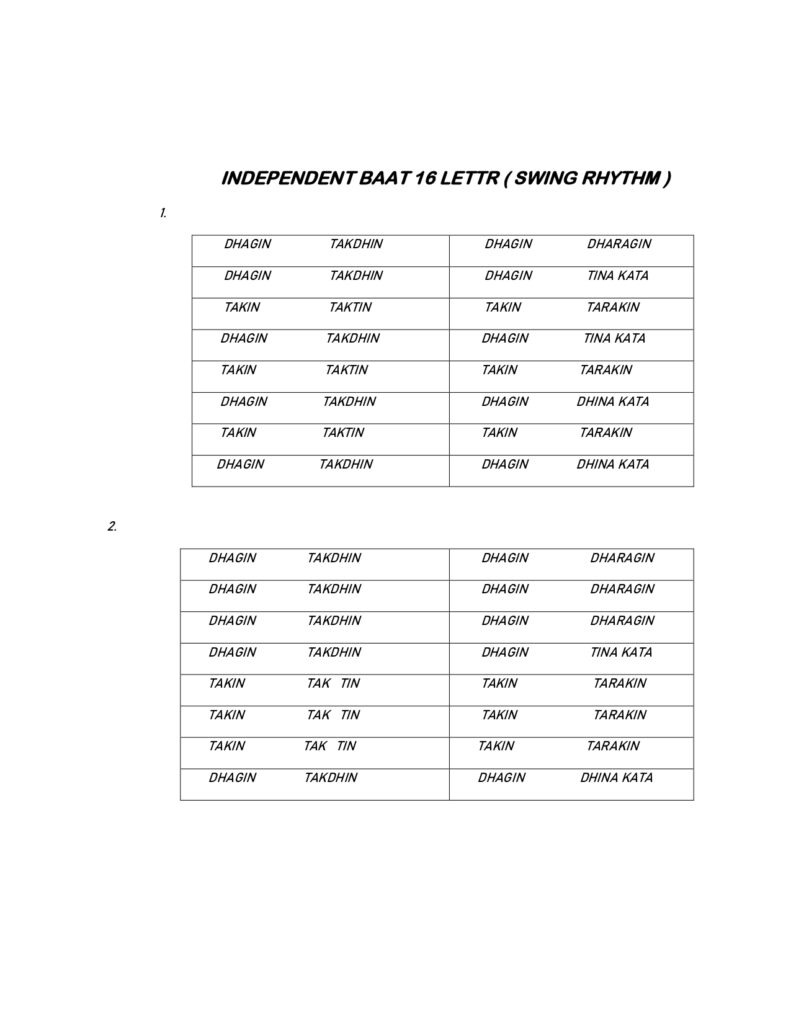
Indian rhythm has always had the power to speak directly to the heart, and among its many captivating expressions, Jhula Baat stands out as a truly mesmerizing 16-beat independent swing rhythm. Rooted in the expressive freedom of tabla, Jhula Baat is not just a rhythmic cycle—it is a feeling of motion, balance, and soulful swing that gently rocks the listener, much like a jhula (swing).
What Is Jhula Baat?
Jhula Baat is an independent rhythmic composition structured within a 16-beat framework, yet it does not strictly follow traditional taals like Teentaal. Instead, it flows freely while maintaining internal balance and symmetry. The defining feature of Jhula Baat is its swinging motion—a rhythmic rise and fall that creates a sense of effortless movement.Unlike rigid rhythmic patterns, Jhula Baat breathes. It allows the tabla player to explore space, silence, and subtle accents while staying grounded in a 16-beat cycle.
The Meaning Behind the Name
The word “Jhula” literally means swing. This name perfectly captures the essence of the rhythm. When played correctly, Jhula Baat feels like being gently rocked back and forth. The listener experiences a hypnotic pull—sometimes calm, sometimes energetic, but always fluid. This swinging nature makes Jhula Baat emotionally engaging and deeply meditative, appealing to both seasoned musicians and casual listeners.
Rhythmic Structure: Freedom Within 16 Beats
Although Jhula Baat consists of 16 beats, its phrasing is often unconventional. Instead of evenly divided sections, the rhythm may emphasize off-beats, delayed resolutions, and elastic spacing.
Key characteristics include:
- Independent phrasing not bound to classical theka patterns
- Dynamic use of layakari (rhythmic play with tempo)
- Strong yet soft accents that enhance the swing feel
- Balance between repetition and variation
This makes Jhula Baat an excellent rhythm for developing creative thinking and rhythmic maturity in tabla players.
Tabla Techniques Used in Jhula Baat
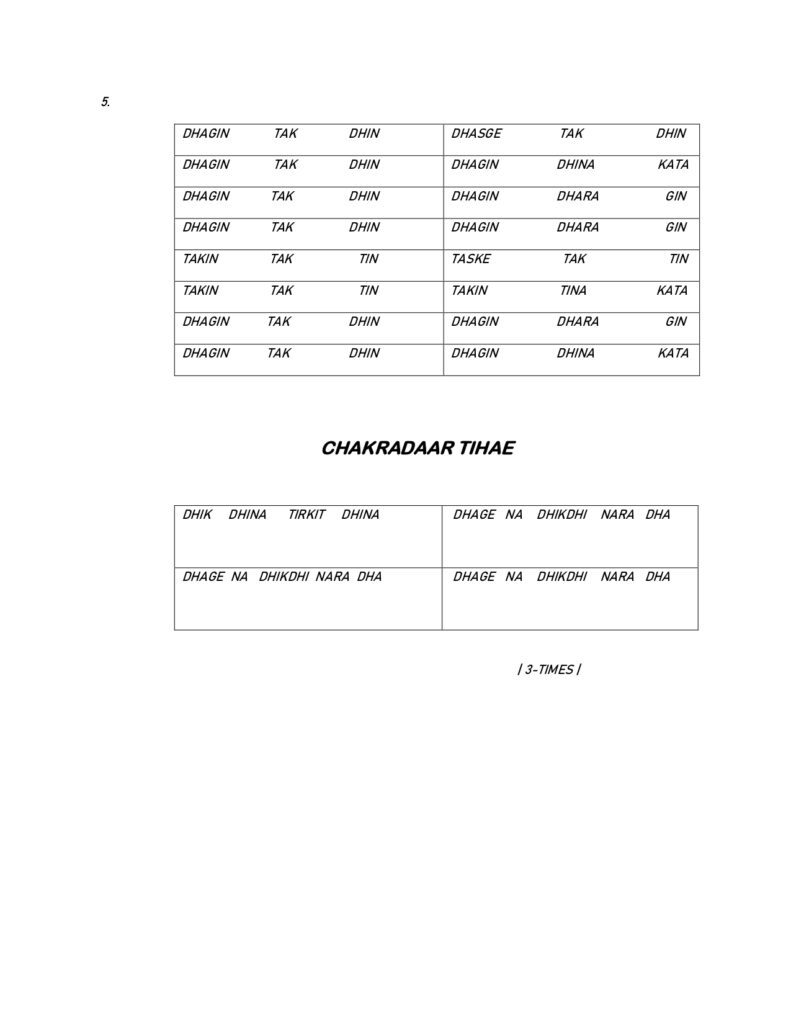
Jhula Baat showcases a wide range of tabla techniques. Commonly used bols include a mix of open and closed strokes such as Dha, Ge, Na, Tin, Ke, Ta, and Dhin. The bayan often plays a crucial role in shaping the swing by using subtle pressure changes to bend pitch and add depth.
Important technical elements:
- Controlled wrist movement for smooth flow
- Gentle bayan modulation for emotional resonance
- Precise finger clarity to maintain independence
The goal is not speed, but clarity and feel.
Why Jhula Baat Touches the Soul
Jhula Baat resonates because it mirrors natural motion—like walking, breathing, or swinging. The human mind instinctively connects with rhythms that move organically rather than mechanically.
Listeners often describe Jhula Baat as:
- Calming yet energizing
- Simple on the surface, deep underneath
- Emotionally expressive without words
This soulful quality makes it ideal for solo tabla performances, fusion music, and even meditative listening.
Jhula Baat in Contemporary Music
In modern times, independent rhythms like Jhula Baat are gaining popularity beyond classical stages. They are increasingly used in:
- Fusion and world music projects
- Experimental percussion performances
- Rhythm-based compositions for dance and yoga
Young tabla artists especially enjoy Jhula Baat because it allows them to break free from rigid structures while still respecting rhythmic discipline.
Learning and Practicing Jhula Baat
For students of tabla, Jhula Baat is a powerful learning tool. It helps develop:
- Internal sense of rhythm
- Creative independence
- Control over tempo and dynamics
A good practice approach is to first count the 16 beats internally, then gradually loosen the phrasing while keeping the cycle intact. Listening carefully to the swing is more important than memorizing bols.
The Everlasting Swing of Jhula Baat
Jhula Baat is more than a rhythm—it is a rhythmic philosophy. It teaches that discipline and freedom can coexist, and that true musical power often lies in subtlety rather than force.
As Indian rhythm continues to evolve and connect with global audiences, Jhula Baat’s mesmerizing 16-beat swing stands as a reminder that music, at its best, doesn’t just entertain—it moves the soul.

https://www.youtube.com/@BhagawanSingh
https://www.facebook.com/sbsinghtablaguru/