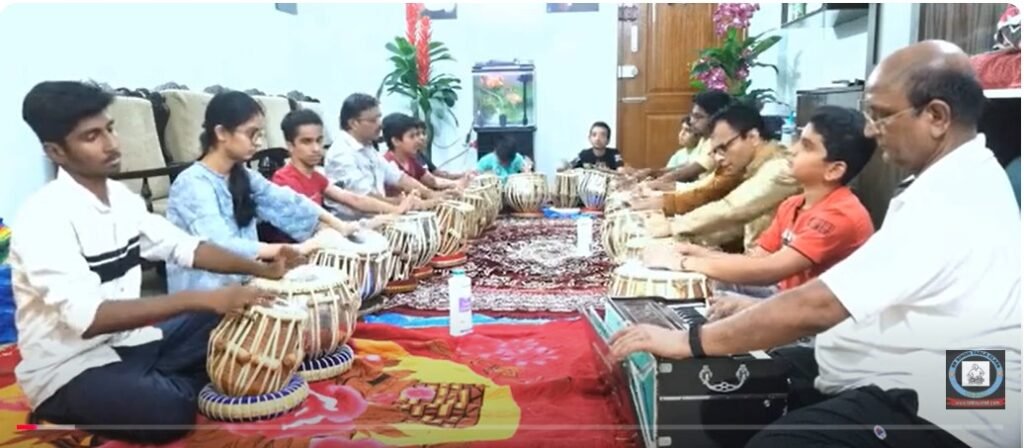
Mastering the Ektaal 12 Beats Kayda 5: Dha Tirkit Dha Ge Na
Tabla playing is an intricate art form deeply rooted in rhythm, precision, and historical tradition. For students and seasoned practitioners alike, exploring the vast repertoire of compositions is a lifelong journey. Among the various time cycles, Ektaal—a 12-beat rhythmic cycle—holds a special place for its balanced structure and immense potential for improvisation.
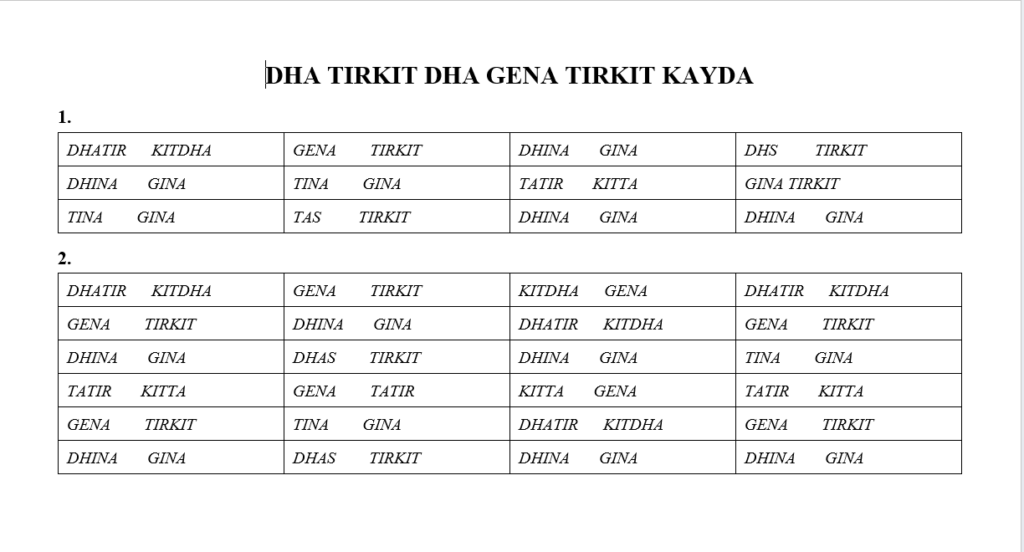
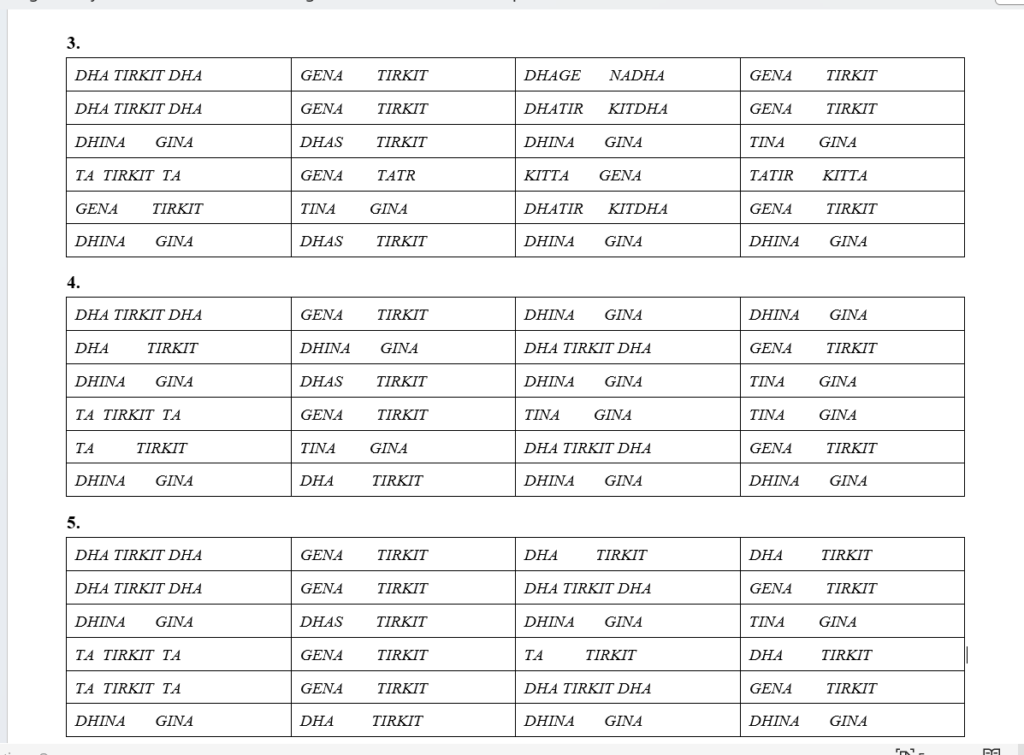
In this comprehensive guide, we will explore the Ektaal 12 Beats Kayda No. 5, specifically focusing on the famous starting phrase: “Dha Tirkit Dha Ge Na”. Whether you are preparing for classical music exams or looking to level up your solo performance skills, mastering this Kayda will add immense clarity and speed to your playing.
Understanding Ektaal and the Concept of Kayda
Before diving into Kayda No. 5, it helps to understand the framework. Ektaal consists of 12 beats (matras) divided uniformly into 6 divisions (vibhags), with each division containing 2 beats. The standard clapping structure (tali-khali pattern) for Ektaal follows a specific sequence of claps and waves, making it essential to keep a steady laya (tempo).
A Kayda is a structured improvisational composition in Hindustani classical percussion. The term literally translates to “rule” or “system.” A Kayda is bound by strict rules:
- It must use only the syllables (bols) introduced in its primary theme (the mukhra or main theme).
- It allows the creation of variations (paltas) derived strictly from permutations and combinations of those original bols.
- It showcases clean hand coordination, fingering technique, and command over laya.
Breaking Down Kayda No. 5: “Dha Tirkit Dha Ge Na”
Kayda No. 5 in Ektaal is celebrated for its intricate finger movements and dynamic flow. The composition relies heavily on crisp tirkit execution combined with resonant dha strokes and fluent left-hand (bayan) integration via ge and na.
Let us examine the structural flow of the composition lines as structured traditionally:
- The Opening Phase: The Kayda starts strong with the signature phrase “Dha Tirkit Dha Ge Na”, establishing the primary cadence. The balance between open bass strokes on the bayan and sharp finger strokes on the dayan creates an immediate dynamic contrast.
- Middle Development: As the lines progress, permutations of tirkit, dha, tina, and genas weave through the 12 beats. The precise placement of kitdha and dhatir variations tests the student’s finger independence.
- The Resolution: Every line loops neatly back into the cyclical nature of Ektaal, resolving smoothly on the sam or maintaining the momentum across the vibhags.
Essential Practice Tips for Kayda No. 5
Mastering a complex composition like this requires patience, deliberate practice, and attention to detail. Here are a few professional tips to help you perfect it:
- Start Slow (Vilambit Laya): Never rush into fast tempos. Practice the Kayda at a slow, metronomic pace to ensure your fingers hit the exact center of the syahi (the black spot of the tabla). Clean articulation of every single tirkit is more important than speed.
- Focus on Hand Balance: Ensure that your right-hand (dayan) fingers are nimble and relaxed, while your left hand (bayan) produces a rich, resonant ge without overpowering the treble drum.
- Incorporate Paltas (Variations): Once you memorize the main theme, begin practicing the standard paltas. Change the grouping of the bols systematically while staying true to the core vocabulary of the composition.
- Maintain Steady Laya: Because Ektaal has 12 beats divided into 6 equal parts, keeping an internal pulse is crucial. Practice alongside a electronic tabla box or metronome to lock your timing tightly.
Conclusion and Performance Value
The Ektaal 12 Beats Kayda No. 5 (“Dha Tirkit Dha Ge Na”) is much more than a technical exercise; it is a gateway to high-level classical expression. When played with precision, clear articulation, and gradual acceleration from slow to fast tempos, it commands attention in any solo performance.
Dedicate a portion of your daily riyaz (practice) to breaking down its lines, refining your finger positions, and experiencing the mathematical beauty of the 12-beat cycle.
https://www.facebook.com/sbsinghtablaguru
https://www.youtube.com/@BhagawanSingh