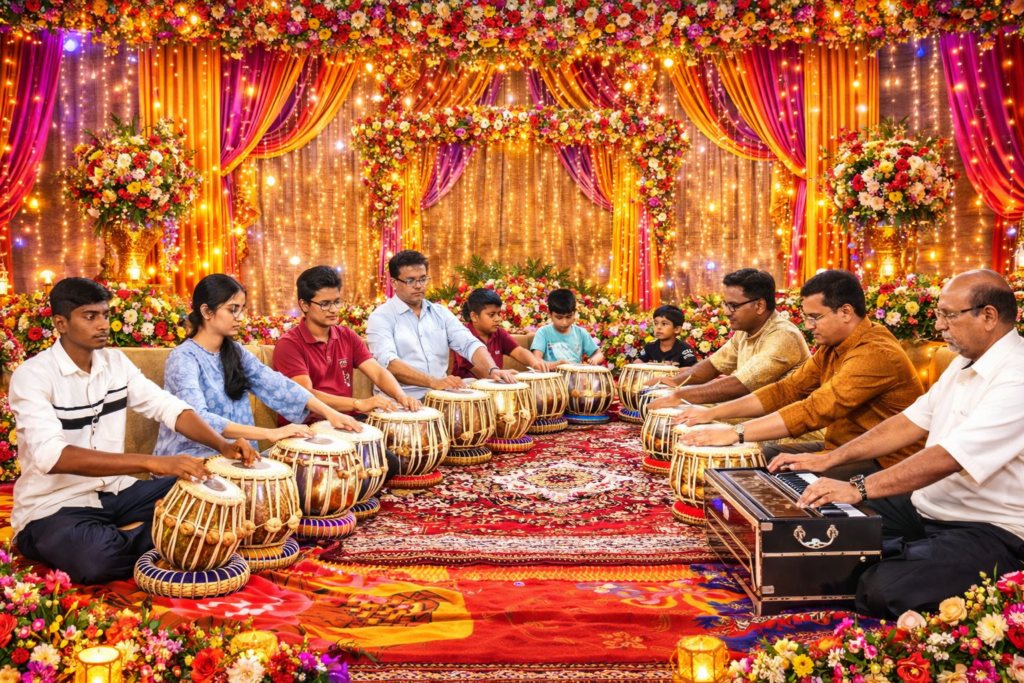
Introducing the–Jhaptaal Kayda – Dhati Dha Tir Kitak Tuna Kitak
Powerful Jhaptaal Kayda (10 Beats Tabla Masterclass)
Indian classical music finds its rhythmic heartbeat in the tabla, and among the many taals used in Hindustani music, Jhaptaal stands out for its dynamic and expressive character. With its 10-beat structure divided into 2 + 3 + 2 + 3, Jhaptaal creates a unique rhythmic flow that challenges and excites both the performer and the listener. In this masterclass blog, we explore the powerful Kayda:
Dhati Dha Tir Kitak Tuna Kitak
Tati Ta Tir Kitak Tuna Kitak
This composition is energetic, technically rich, and perfect for developing strength, clarity, and speed in tabla playing.
Understanding the Structure of Jhaptaal
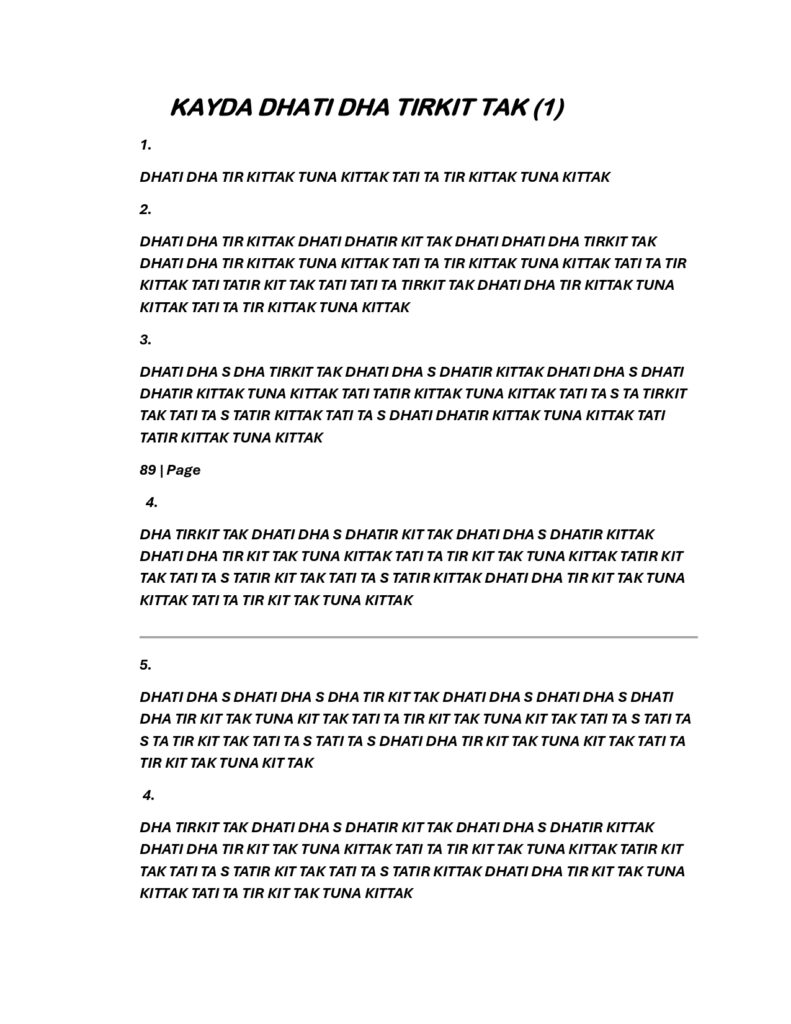
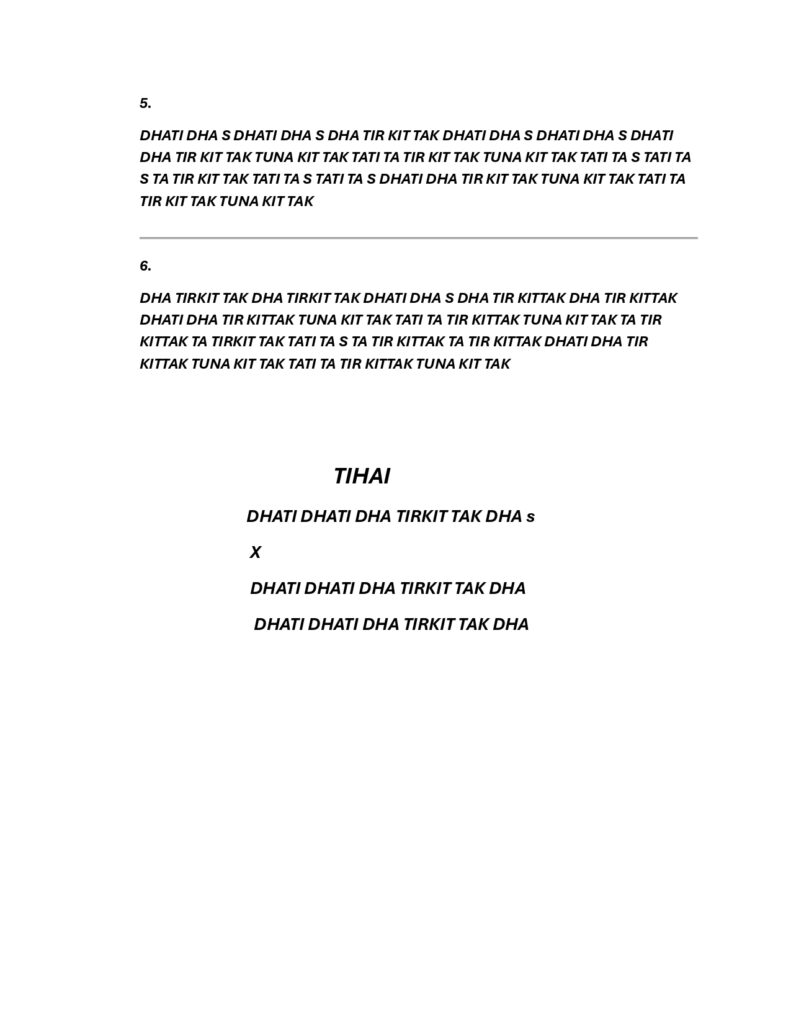
Jhaptaal consists of 10 matras (beats) arranged as:
2 | 3 | 2 | 3
The traditional theka is:
Dhi Na | Dhi Dhi Na | Ti Na | Dhi Dhi Na
- Sam (1st beat) – Dhi
- Taali (Clap) – 1, 3, 8
- Khali (Wave) – 6
Because of its uneven divisions, Jhaptaal creates a slightly asymmetrical yet beautifully balanced rhythmic cycle. This makes it ideal for creative compositions like Kayda, Rela, and Tihai.
What is a Kayda?
A Kayda is a structured tabla composition built on a fixed set of bols. The word “Kayda” means “rule,” which indicates that while creating variations, the original bols must be maintained and rearranged logically.
A Kayda typically includes:
- Mukh (Theme) – The main phrase
- Vistar (Development) – Expansion of the theme
- Palta (Variations) – Creative rearrangements
- Tihai (Conclusion) – A phrase repeated three times landing on Sam
Kayda practice builds discipline, technical control, and rhythmic awareness.
The Strength of “Dhati Dha Tir Kitak Tuna Kitak”
This Kayda is powerful because of its dynamic and balanced bols:
- Dhati Dha – Strong opening phrase
- Tir Kitak – Fast, controlled strokes on Dayan
- Tuna Kitak – Flowing continuation
- Tati Ta – Crisp and sharp articulation
The repetition of Tir Kitak Tuna Kitak creates rhythmic momentum, while the contrast between “Dhati Dha” and “Tati Ta” gives variation and musical beauty.
This composition works beautifully in Madhya Laya (medium tempo) and sounds especially impressive in Drut Laya (fast tempo).
Technical Benefits of This Kayda
Practicing this Kayda improves:
- Finger speed and dexterity
- Clarity of bols
- Control over Tir Kitak phrases
- Balance between Dayan and Bayan
- Confidence in Jhaptaal solo performance
The frequent use of “Tir Kitak” strengthens finger coordination and helps develop smooth transitions between strokes.
Step-by-Step Practice Guide
1. Begin in Slow Tempo (Vilambit Laya)
Focus on clear pronunciation of each bol. Avoid rushing.
2. Count the 10 Beats Properly
Keep the Jhaptaal structure in mind:
1 2 | 3 4 5 | 6 7 | 8 9 10
Always feel the Sam strongly.
3. Maintain Even Sound
Ensure that Tir Kitak strokes are balanced and not uneven. Each stroke should sound clean and sharp.
4. Gradually Increase Speed
Once clarity is achieved, slowly move to Madhya Laya and then Drut Laya. Never sacrifice clarity for speed.
5. Add Variations (Palta)
After mastering the main theme, create logical variations using the same bols. This improves creativity and understanding of Kayda structure.
Performance Value
This Kayda is highly effective for:
- Tabla solo performances
- Music examinations
- Stage presentations
- Online tabla masterclasses
Its powerful and flowing pattern captures attention instantly. When concluded with a strong Tihai, it leaves a lasting impact on listeners.
Common Mistakes to Avoid
- Playing Tir Kitak unevenly
- Losing track of the 10-beat cycle
- Ignoring Sam placement
- Playing too fast without clarity
Always remember: clarity and control are more important than speed.
Final Thoughts
“Dhati Dha Tir Kitak Tuna Kitak Tati Ta Tir Kitak Tuna Kitak” is not just a composition—it is a complete training system within Jhaptaal. It strengthens technique, improves rhythm sense, and builds performance confidence. With regular riyaaz and disciplined practice, this Kayda can become one of your strongest and most impressive Jhaptaal presentations.
https://www.youtube.com/@BhagawanSingh
https://www.facebook.com/sbsinghtablaguru
https://www.linkedin.com/in/shree-singh-bb483059