Introducing the-Master the Mystical Dhamar Taal (14 Beats) – Pran & Chakradhar Gats That Define Tabla Brilliance!
🎵 Master the Mystical Dhamar Taal (14 Beats) – Pran & Chakradhar Gats That Define Tabla Brilliance!Few rhythms in Indian classical music are as majestic and spiritually charged as Dhamar Taal — a 14-beat cycle that weaves poetry, devotion, and percussive complexity into one mesmerizing flow. Often associated with Dhrupad, one of India’s oldest vocal traditions, Dhamar Taal represents the tabla’s deep connection to both rhythm (laya) and emotion (bhava). For tabla lovers, mastering this taal is a true milestone — it’s where technical brilliance meets artistic soul.
🪘 What is Dhamar Taal?
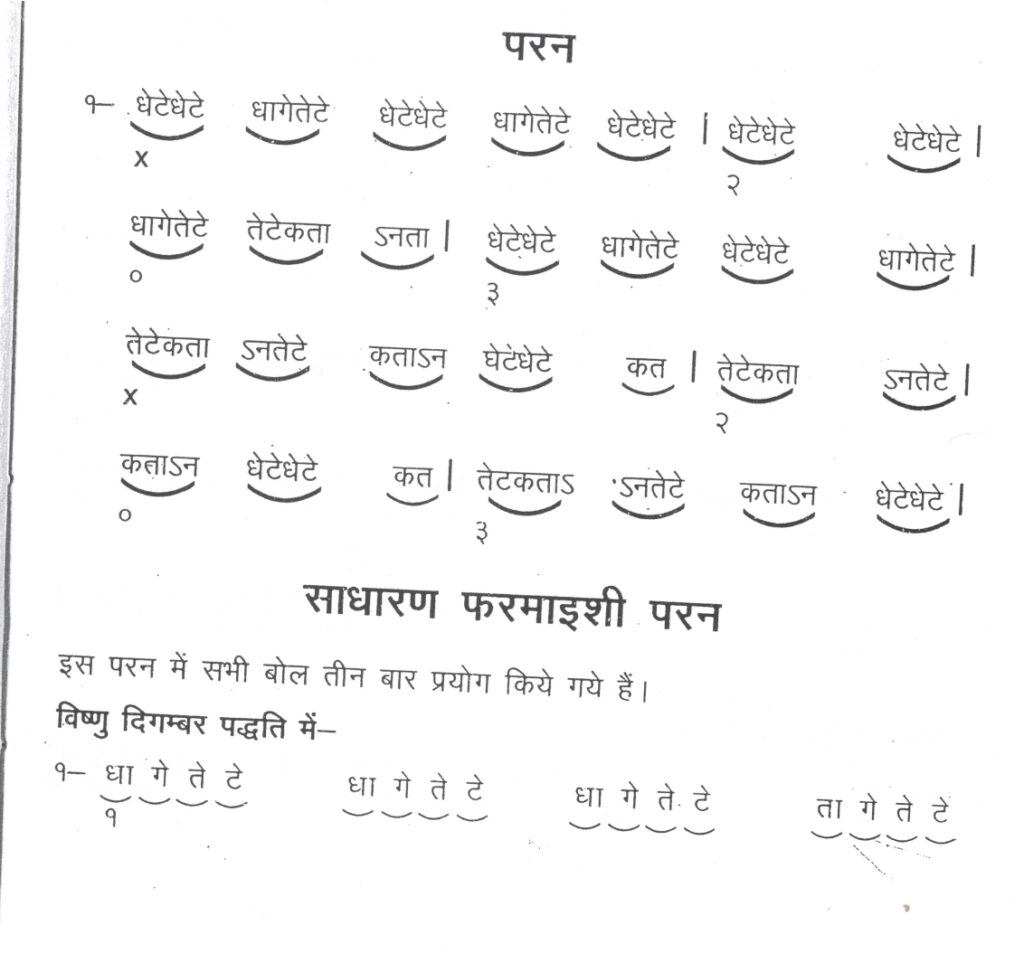
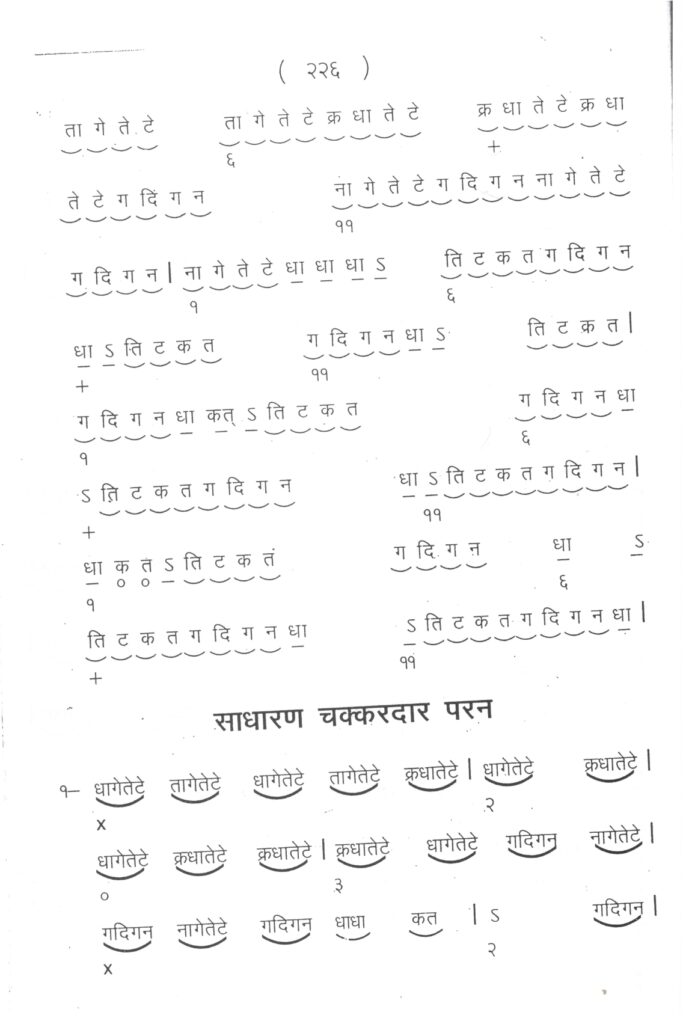
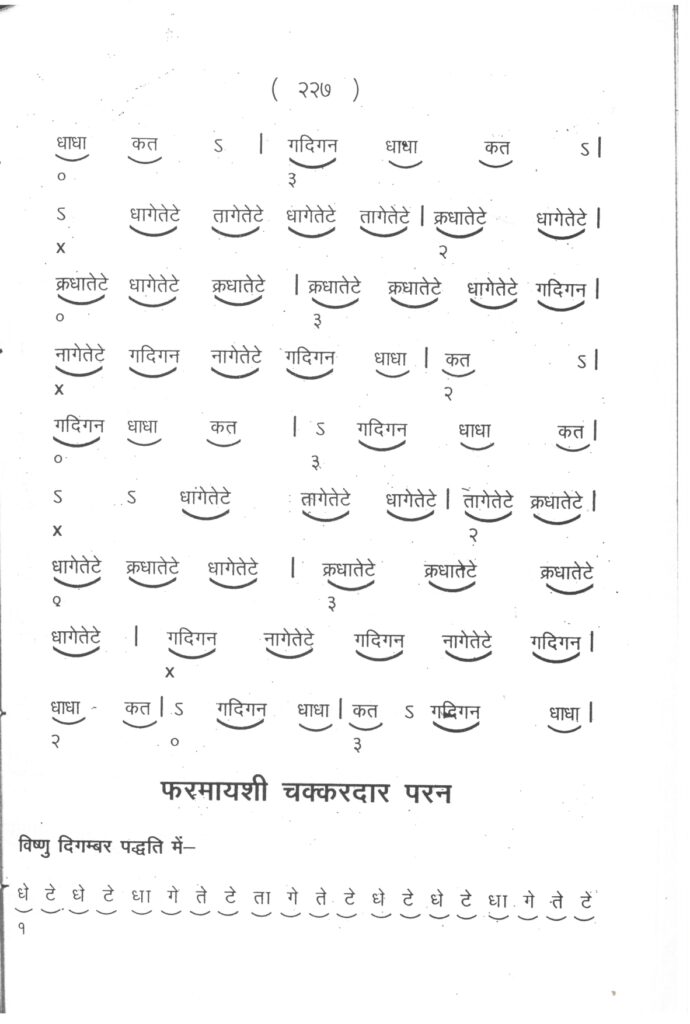
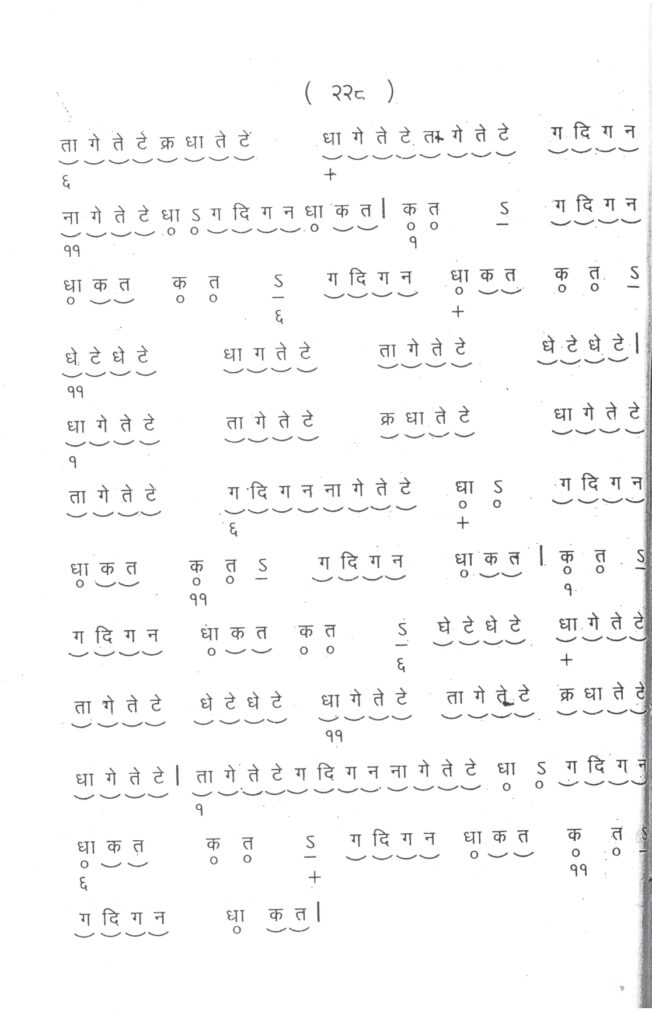
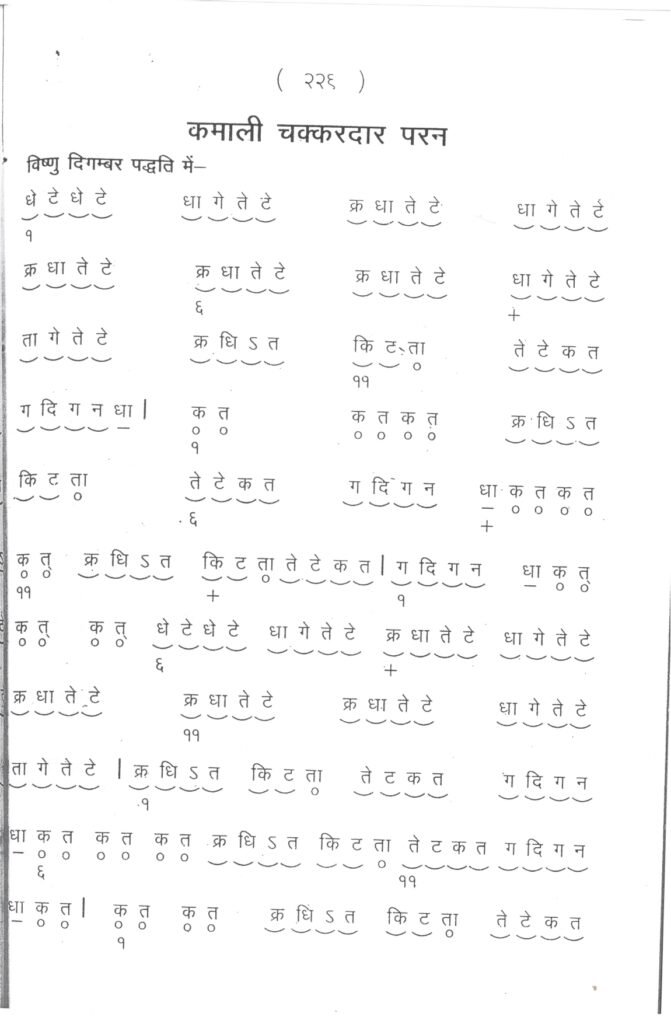
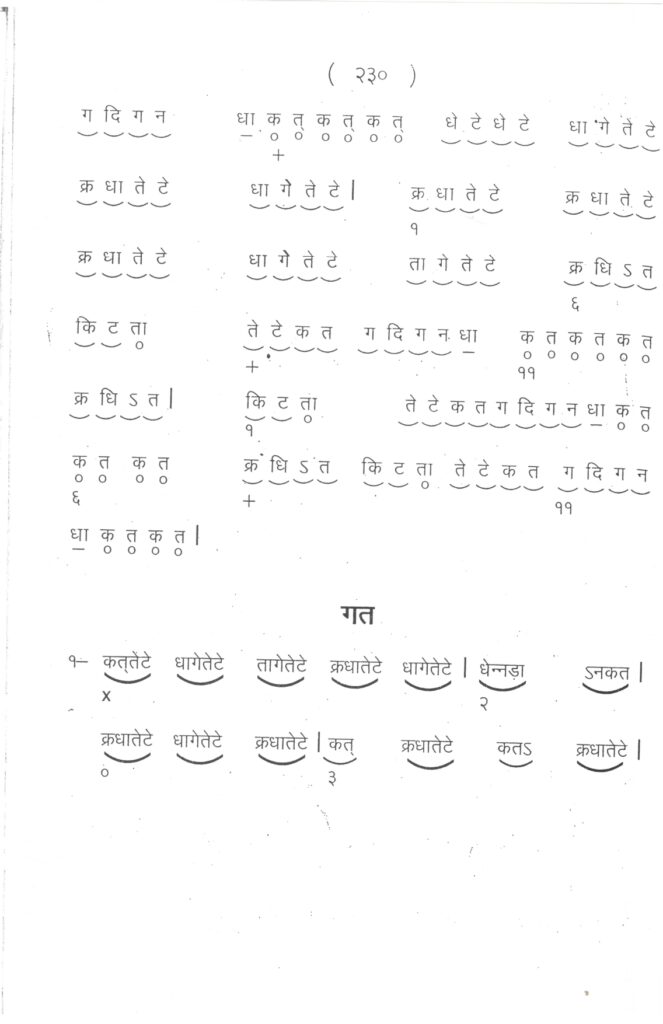
Dhamar Taal consists of 14 beats (matras) divided in a unique 5 + 5 + 4 structure. Unlike the more common 16-beat Teentaal, Dhamar carries a lilting, almost circular feel that evokes the pulse of ancient temples and royal courts. Traditionally, it accompanies Dhamar compositions, which are semi-classical songs celebrating Lord Krishna’s playful Holi festival antics.
The theka (basic rhythmic pattern) of Dhamar Taal is:
Ka Dhi Ta | Dhi Ta | Dha – Ge | Ti Ta | Ti Ta | Ta – Ka
This pattern creates a distinctive ebb and flow, with emphasis on its sam (first beat) and khali (empty beat) that mark the rhythm’s elegant symmetry.
📜 A Glimpse Into History
Dhamar Taal traces its origins to ancient Dhrupad music, where it was played on the pakhawaj, the tabla’s ancestor. When the tabla evolved during the Mughal era, maestros adapted Dhamar’s structure to this newer, more expressive drum.
Legendary figures such as Pandit Kishan Maharaj, Ustad Zakir Hussain, and Pandit Anokhelal Mishra have all explored Dhamar in their performances, giving it a fresh rhythmic vocabulary while preserving its classical core.
An interesting fact: Dhamar Taal compositions were often used in royal Holi celebrations, where the rhythmic improvisations symbolized the joyous mischief of Lord Krishna. Even today, Dhamar evokes that divine playfulness.
🧱 Structure and Feel of Dhamar Taal
| Beat Division | Count | Emphasis |
| First Division | 5 | Strong (Sam) |
| Second Division | 5 | Medium |
| Third Division | 4 | Khali (Empty Beat) |
The unique division gives Dhamar a swinging, asymmetric pulse — challenging for beginners but deeply rewarding once mastered. It’s less about speed and more about balance, grace, and control.
🌀 The Pran, Chakradhar & Kamali Chakradhar Gats
Let’s dive into the jewels of this taal — the Gats (compositions) that define its brilliance.
🌟 Pran
“Pran” in tabla refers to the soul or essence of a rhythmic composition. The Dhamar Pran lays the foundation, introducing the taal’s basic personality. It often includes delicate bols like Dha, Ge, Ti, Na, and Kat, woven with mathematical precision and aesthetic beauty.
⚡ Chakradhar Pran
A Chakradhar is a cyclical composition that repeats a rhythmic phrase three times, always landing perfectly on the sam. It showcases the artist’s control over time and symmetry.
In Dhamar Taal, the Chakradhar Pran is a masterwork — blending mathematical accuracy with spiritual resonance. The repetition creates a hypnotic cycle that draws listeners into the taal’s rhythmic whirlpool.
💫 Kamali Chakradhar Pran Gat
“Kamali” literally means bewitching or divine grace. The Kamali Chakradhar Gat pushes complexity further, using intricate bols (syllables) and calculated pauses that challenge even seasoned players. When performed skillfully, it feels as though the tabla itself is dancing.
🎧 Listen & Feel the Groove
To experience Dhamar Taal’s full beauty, check out these iconic performances:
- 🎵 Ustad Zakir Hussain – Dhamar Taal Solo (YouTube)
- 🎵 Pandit Kishan Maharaj – Dhamar Theka & Chakradhar
- 🎵 Shree Bhagwan Singh is a distinguished tabla maestro
These performances highlight the taal’s meditative pace and rhythmic sophistication.
🌍 Cultural Significance & Modern Adaptation
While rooted in classical music, Dhamar Taal continues to inspire modern percussionists and fusion artists worldwide. Tabla players now experiment with Dhamar-based grooves in world music, film scores, and electronic fusions — blending ancient rhythms with contemporary sounds.
A recent study by the Sangeet Natak Akademi found that interest in Indian percussion instruments has grown by over 40% among young musicians globally, with tabla leading the wave. Dhamar’s spiritual rhythm and mathematical structure make it a favorite for those exploring rhythm therapy and meditation music.
🧩 Quick Interactive Quiz!
Test Your Dhamar Knowledge:
- How many beats does Dhamar Taal have?
- What is the traditional division pattern of Dhamar?
- What does a Chakradhar composition mean?
(Scroll below for answers in the comments or challenge a friend to answer first!)
🎯 Conclusion
Dhamar Taal is not just a 14-beat cycle — it’s a gateway to the divine rhythm of Indian classical music. The Pran, Chakradhar, and Kamali Chakradhar Gats reveal the tabla’s expressive depth, from meditative introspection to thrilling climax.
Whether you’re a student or a listener, exploring Dhamar opens your ears to the beauty of time itself — cyclical, flowing, and eternal.
👉 Call to Action:
Curious to experience Dhamar on your own? Explore tabla tutorials, join rhythm workshops, or follow your favorite maestros online. The world of tabla awaits — one Dha Dhi Na at a time.