
Introducing the-Mastering Ara Chautaal (14 Beats): Powerful Tabla Tukra, Mukhra & Mohra Explained
Unlock the Magic of Ara Chautaal: 14-Beat Tabla Rhythms You Must Hear! Ara Chautaal 14 Beats – Learn Stunning Tukra, Mukhra & Mohra for Tabla Lovers. Transform Your Tabla Skills with Ara Chautaal: Explore the 14-Beat Rhythm Patterns. The Ultimate Guide to Ara Chautaal (14-Beat Taal): Tukra, Mukhra & Mohra Breakdown. Feel the Pulse of Ara Chautaal: 14-Beat Tabla Compositions that Inspire Every Drummer.From Tukra to Mohra: The Hidden Power of Ara Chautaal’s 14-Beat Tabla Cycle.🎵 Mastering Ara Chautaal (14 Beats): Powerful Tabla Tukra, Mukhra & Mohra Explained
Introduction: The Pulse of a 14-Beat Masterpiece
Among the countless rhythmic cycles that define Indian classical music, Ara Chautaal (also known as Adha Chautaal) stands as one of the most majestic and complex. With 14 beats divided into uneven sections (4 + 4 + 3 + 3), this taal challenges even seasoned tabla players to maintain its dynamic flow. Whether performed in Kathak dance recitals, Dhrupad concerts, or intricate tabla solos, Ara Chautaal remains a rhythmic gem that showcases both precision and creativity.
Learning this taal not only sharpens your timing but also deepens your understanding of Indian rhythm architecture — the very soul of tabla playing.
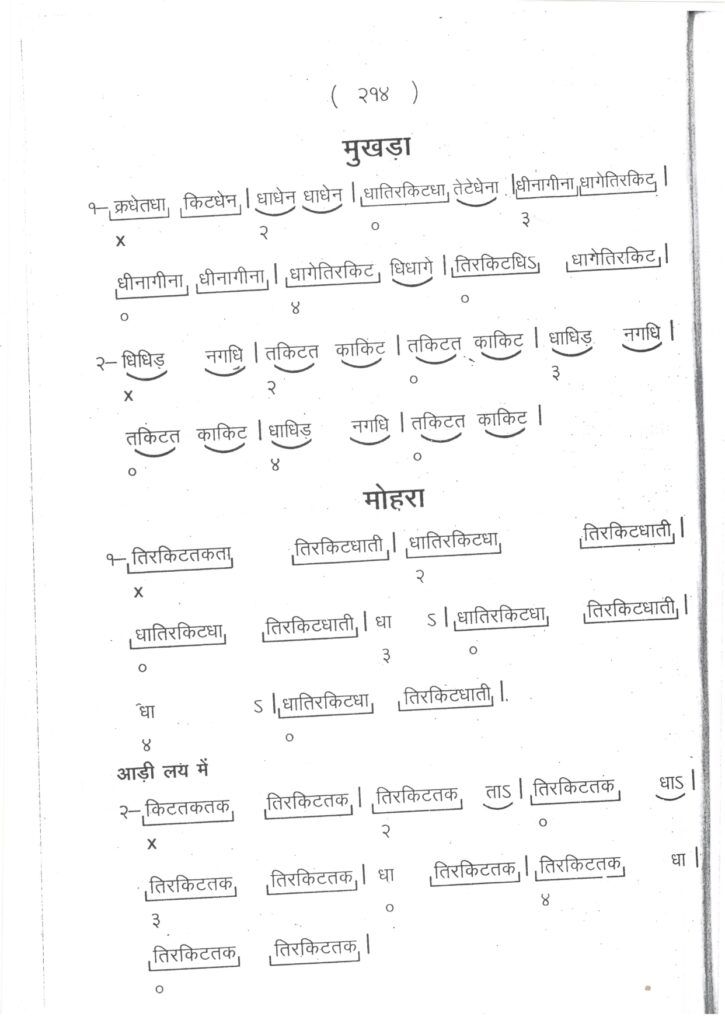
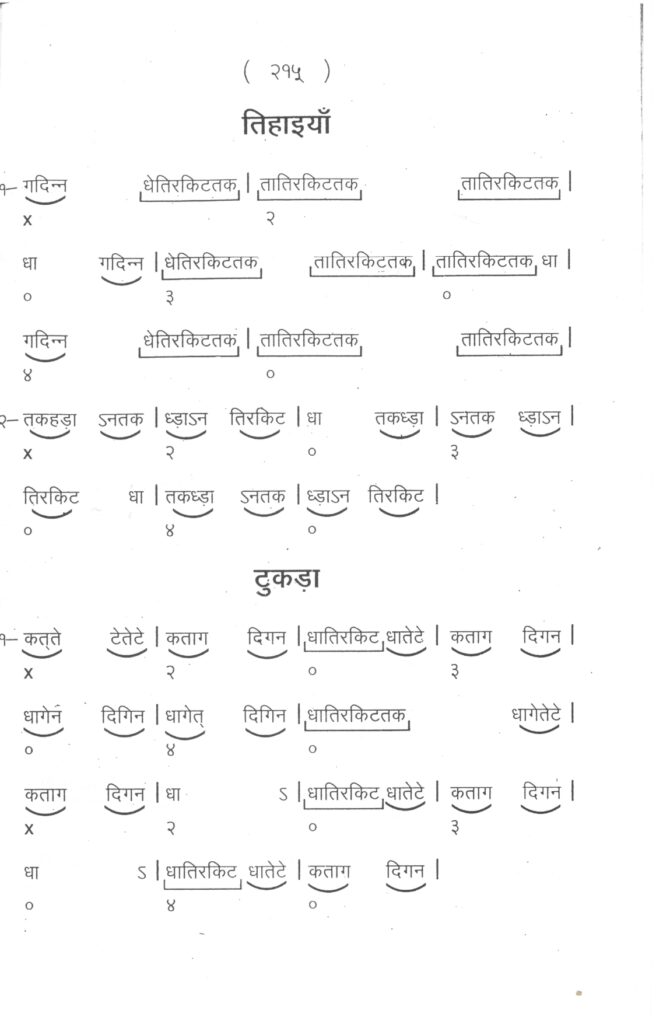

Historical Context: Where Tradition Meets Time
Ara Chautaal has ancient roots tracing back to the Dhrupad era, one of the oldest vocal traditions in Indian classical music. It evolved as a variant of Chautaal (12 beats), designed to offer more rhythmic complexity. Historically, it was performed on pakhawaj, the tabla’s ancestor, before transitioning to the tabla as Hindustani classical music evolved.
Legendary tabla maestros like Pandit Kishan Maharaj, Ustad Zakir Hussain, and Pandit Anindo Chatterjee have demonstrated stunning renditions of Ara Chautaal, blending classical purity with improvisational flair.
A lesser-known fact: some scholars believe “Ara” in Ara Chautaal means “half,” signifying that it’s a half-variant of the full 12-beat Chautaal, expanded with two additional beats to create rhythmic tension and release.
Technical Breakdown: The Structure of Ara Chautaal
The theka (basic pattern) of Ara Chautaal is as follows:
Dha Dha | Dhin Ta | Kita Dha | Tin Ta | TiRaKiTa | Dhin Na | Dha Ge
When broken down, the beat divisions are:
(4 + 4 + 3 + 3)
This structure gives it a syncopated and unpredictable flow, making it both challenging and rewarding to perform.
- Sam (1st beat): The starting and most emphasized point.
- Khali (empty beat): Occurs at the 9th matra, creating rhythmic contrast.
Here’s what makes Ara Chautaal special — the constant alternation between tension and release, as the player navigates its asymmetrical grouping. This taal is a rhythmic dialogue — every phrase you play feels like a conversation between stability and movement.
The Essence of Tukra, Mukhra & Mohra
1. Tukra (Powerful Conclusion)
A Tukra is a short, pre-composed rhythmic composition, usually ending on Sam (the first beat). In Ara Chautaal, Tukras are often powerful and fast, showcasing mastery and precision.
Example pattern:
Dha Dha TitaKita Dha Dha | TitaKita Dhin Na Dha Ge Na | Dhin Na Dha Ge Na
It’s crisp, energetic, and demands precise control to land perfectly on the 1st beat.
2. Mukhra (The Rhythmic Face)
“Mukhra” literally means “face.” It’s a small, catchy composition that acts like a teaser or bridge, leading beautifully into the Sam.
Example:
TiRaKiTa Dha Ge | Na Dhin Na Dha Ge Na
A Mukhra often sets the tone for improvisation, like a signature phrase that defines your style.
3. Mohra (Elegant Ending)
The Mohra serves as a graceful conclusion in a tabla solo. It connects the main composition to the final cadence and often contains a blend of bols (syllables) that create a sense of closure and resolution.
Example:
TiRaKiTa Dha Ge | Dhin Na Dha Ge | TiRaKiTa Dha Ge Na
Together, these three — Tukra, Mukhra, and Mohra — represent the grammar of tabla language within Ara Chautaal.
Audio Experience: Hear the Rhythm
🎧 Listen to an example of Ara Chautaal played by Ustad Zakir Hussain:
👉 YouTube: Ara Chautaal Tabla Solo – Zakir Hussain
Notice how the 14 beats loop in a mesmerizing cycle, giving space for improvisation and dialogue with melody.
Modern Applications: From Tradition to Fusion
Ara Chautaal, though classical, has found its way into fusion music, film scores, and world percussion projects. Artists like Talvin Singh, Bickram Ghosh, and Karsh Kale have used its rhythmic structure in electronic and global contexts, proving how timeless and versatile it is.
Even in contemporary Bollywood music, tabla patterns inspired by Ara Chautaal subtly appear in songs like “Mohe Rang Do Laal” (Bajirao Mastani, 2015) and “Albela Sajan”, giving classical grace to modern compositions.
Quick Quiz: Test Your Ara Chautaal Knowledge!
1. How many beats are in Ara Chautaal?
A) 12 B) 14 C) 16 D) 10
2. Which percussion instrument originally played Ara Chautaal?
A) Tabla B) Pakhawaj C) Dholak D) Mridangam
3. What does “Mukhra” mean in tabla terminology?
A) Face B) Ending C) Middle D) Start
(Scroll down for answers!)
Conclusion: The Living Pulse of Rhythm
Mastering Ara Chautaal is not just about counting 14 beats — it’s about feeling the rhythm’s character, its rise and fall, its symmetry and surprise. For tabla players, it’s a journey into timing, patience, and creativity.
So next time you sit before your tabla, try the Ara Chautaal. Let its rhythm challenge your mind and move your soul. 🎶
https://www.youtube.com/@BhagawanSingh