
Master Rupak Taal Kayda No. 3 | Dha Tite Dha Tite Tutorial – Learn Tabla Step by Step
Introduction
Are you ready to improve your tabla playing and explore the beauty of Rupak Taal? In this tutorial, Master Rupak Taal Kayda No. 3 | Dha Tite Dha Tite, we will focus on developing rhythmic accuracy, clear bols, hand coordination, and a strong sense of taal.
Rupak Taal is a popular seven-beat rhythm in Indian classical music. It is widely used in vocal music, instrumental performances, and tabla practice. Learning a kayda in Rupak Taal helps students develop a better understanding of rhythmic structure while improving their technique and confidence.
Whether you are a beginner or an intermediate tabla learner, this tutorial will help you practise the composition step by step.
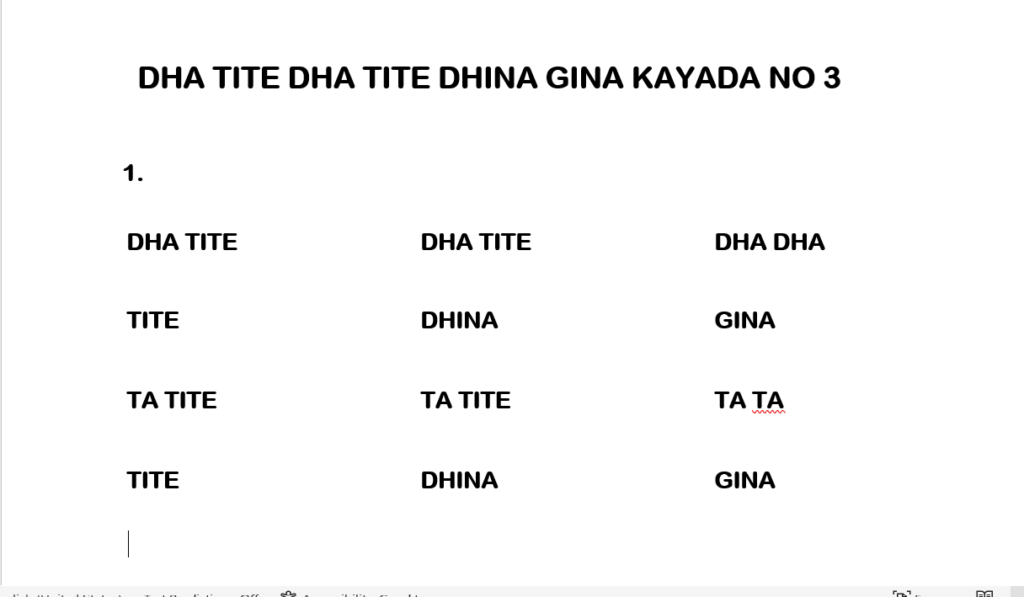
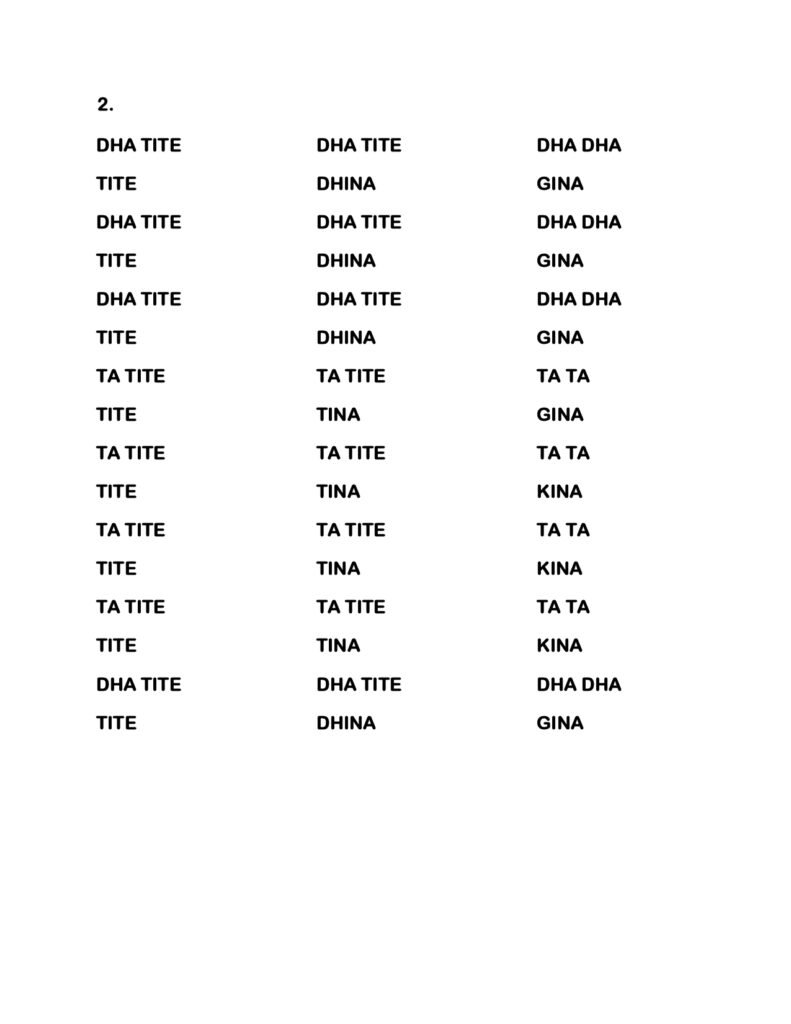
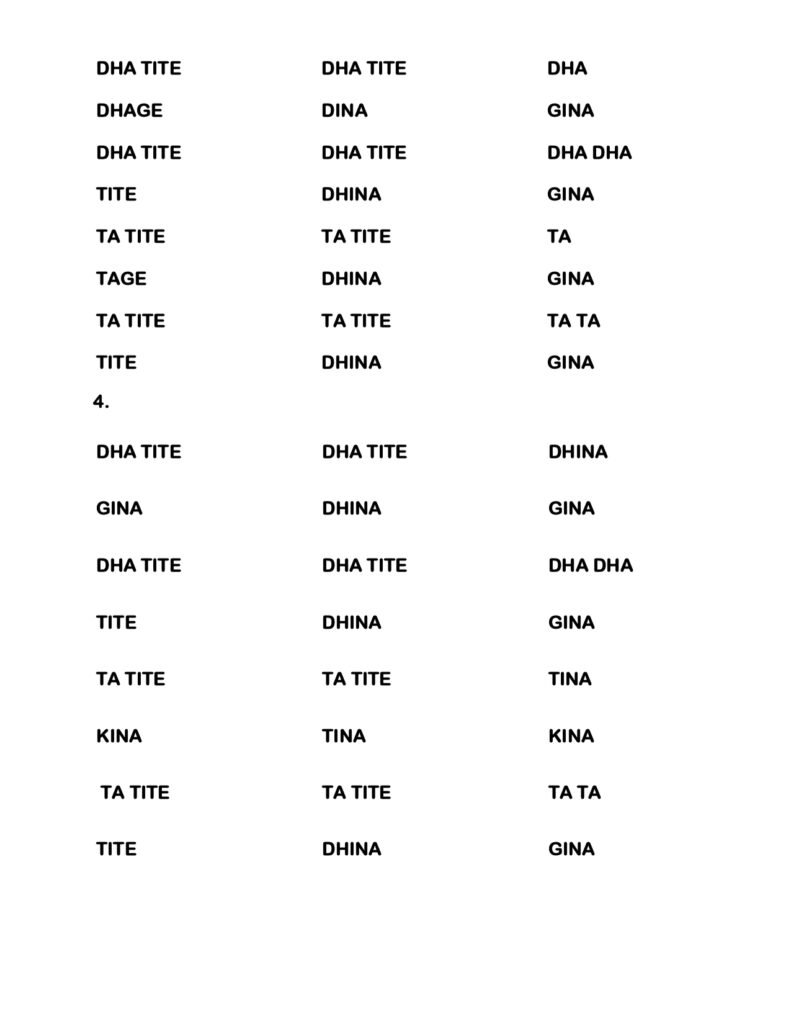
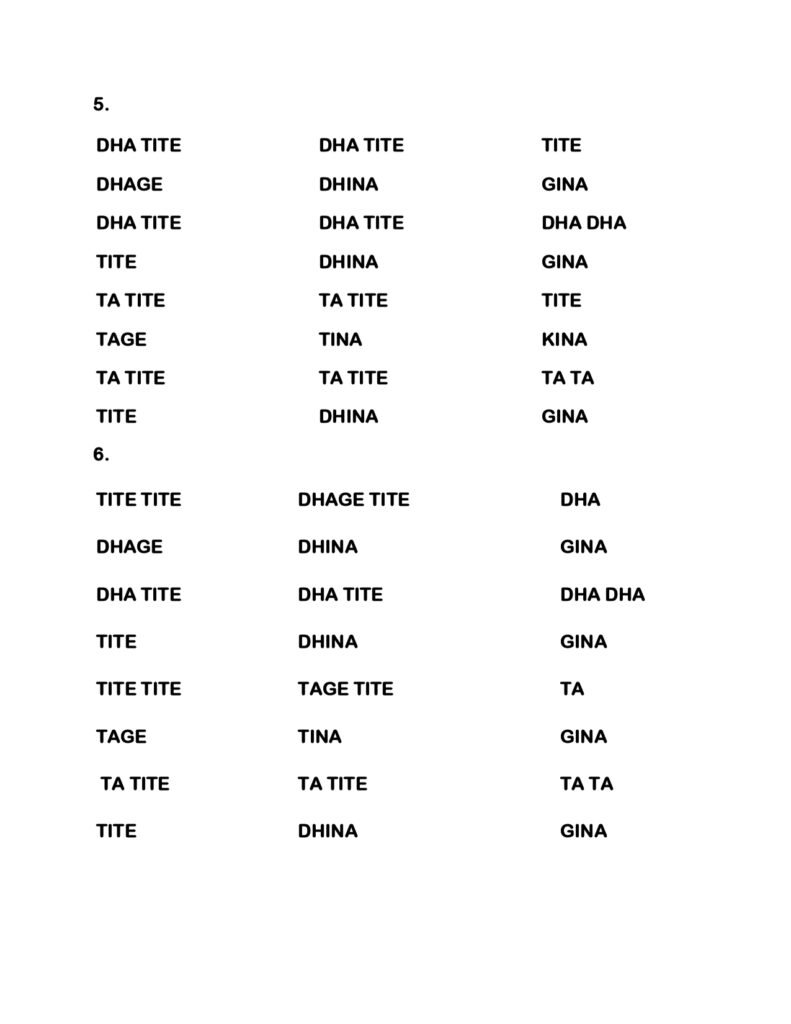
What Is Rupak Taal?
Rupak Taal consists of seven matras (beats) arranged in three divisions:
3 + 2 + 2 = 7 matras
Its theka is commonly played as:
Tin Tin Na | Dhin Na | Dhin Na
The first beat of Rupak Taal is traditionally khali, making it distinctive among commonly studied taals. This unusual feature gives Rupak Taal a unique rhythmic character and makes it an excellent exercise for developing taal awareness.
Understanding Kayda No. 3
A kayda is a structured tabla composition built around a central theme of bols. The player develops variations from the original phrase while maintaining its rhythmic framework.
In this lesson, the main phrase is:
Dha Tite Dha Tite
Focus on the pronunciation and clarity of each bol. Play slowly at first, ensuring that every stroke sounds clean and controlled. The goal is not simply to play quickly but to maintain accuracy and consistency.
Remember that the exact composition and its variations can differ between tabla gharanas and teaching traditions. Follow the bols demonstrated in your chosen lesson.
Step-by-Step Practice Guide
Step 1: Practise the basic theka
Begin by reciting Rupak Taal aloud:
Tin Tin Na | Dhin Na | Dhin Na
Clap or mark the seven beats while speaking the bols. This helps you internalize the taal before adding the kayda.
Step 2: Learn the main phrase
Practise reciting:
Dha Tite Dha Tite
Repeat the phrase slowly several times. Keep your hands relaxed and concentrate on producing balanced strokes. Avoid rushing through the syllables.
Step 3: Maintain the seven-beat cycle
Once you are comfortable with the phrase, practise it alongside the Rupak Taal cycle. Keep track of the sam and the divisions so that the composition stays rhythmically grounded.
Step 4: Increase the tempo gradually
Start at a comfortable, slow speed. Once your bols are clear and evenly spaced, increase the tempo little by little. If the sound becomes unclear, return to the slower speed and correct your technique.
Step 5: Practise with a metronome or lehra
A steady rhythmic accompaniment can help you maintain tempo and recognize the repeating cycle. Practise with a suitable Rupak Taal lehra or a teacher’s accompaniment whenever possible.
Common Mistakes to Avoid
- Rushing the bols: Keep every stroke evenly spaced.
- Losing the taal: Count all seven matras throughout the exercise.
- Using unnecessary tension: Keep your wrists and fingers relaxed.
- Ignoring sound quality: Listen carefully to the clarity of each stroke.
- Practising too fast: Build speed only after developing accuracy.
Consistent, focused practice is more valuable than playing a composition quickly without control.
Why Learn Rupak Taal Kayda No. 3?
Practising this kayda can strengthen your sense of rhythm, improve coordination between the dayan and bayan, and develop your understanding of how tabla compositions are constructed. It also provides a foundation for exploring paltas, tihai patterns, and other traditional rhythmic exercises.
For the best results, listen closely to your teacher or the accompanying demonstration and repeat short sections until you can play them confidently.
Conclusion
Master Rupak Taal Kayda No. 3 | Dha Tite Dha Tite Tutorial is an excellent practice topic for tabla students who want to improve their rhythmic control and musical expression. By understanding the seven-beat structure, practising the bols slowly, and maintaining a steady tempo, you can gradually develop a more confident playing style.
Keep practising, listen carefully, and enjoy the process of learning Indian classical rhythm.
Your turn: Have you started learning Rupak Taal Kayda No. 3? Share your practice experience, questions, or favourite Rupak Taal composition in the comments. Keep the rhythm alive!