All Music, Dance, Vocal & Exam Centers: Complete Guide
Introduction
, Pracheen Kala Kendra Chandigarh University, Music, dance, and vocal arts are more than hobbies—they are powerful ways to express creativity, build confidence, and connect with culture. Whether you dream of becoming a professional musician, learning classical dance, improving your singing, or preparing for recognized music examinations, choosing the right learning center is the first step toward success.
All Music, Dance, Vocal & Exam Centers: Complete Guide explores the different types of training centers, the courses they offer, examination opportunities, and practical tips for choosing the best institution for your artistic journey.
1. Music Learning Centers: Discover Your Rhythm
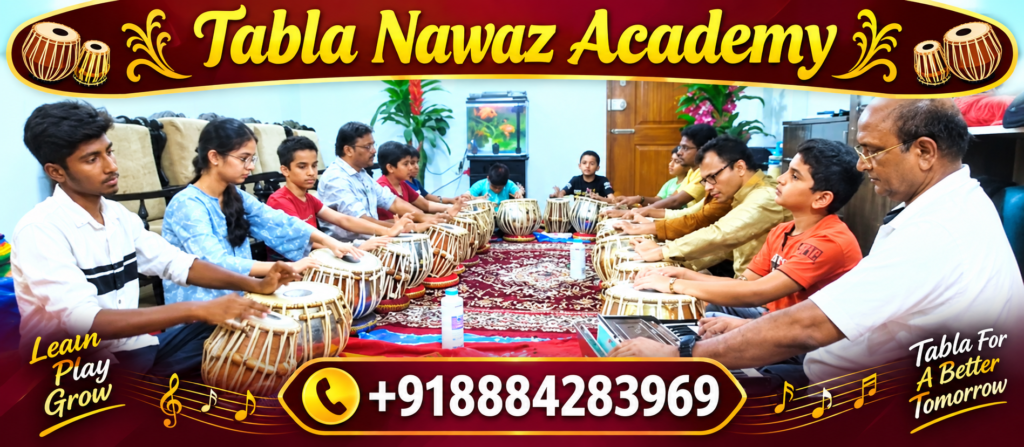
Music centers provide structured training for beginners, intermediate learners, and advanced performers. Students can explore Indian classical music, Western music, contemporary styles, and instrumental performance.
Popular instruments taught at music academies include:
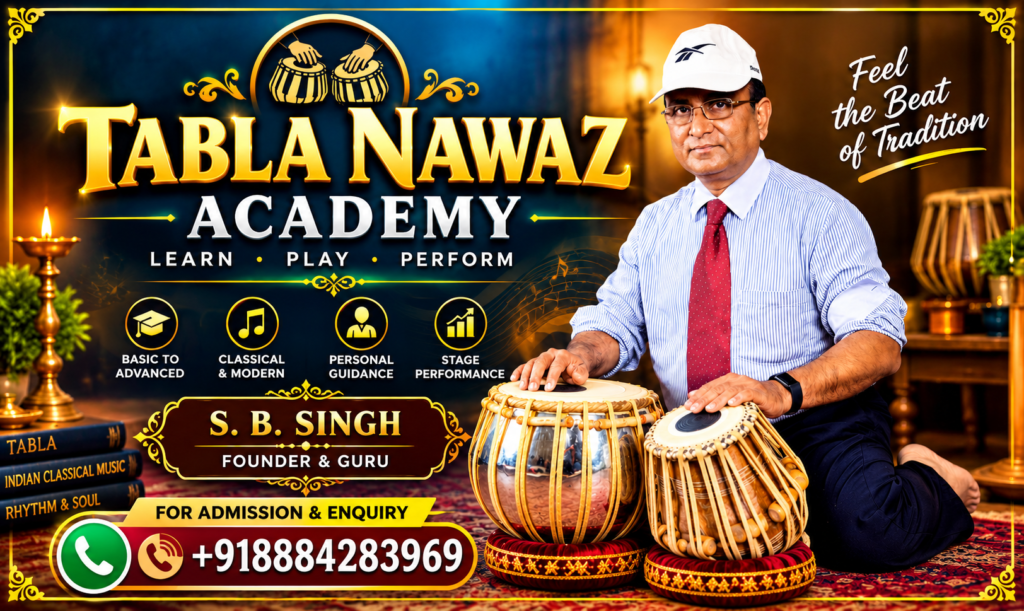
- Tabla: Develop rhythm, coordination, and an understanding of Indian percussion.
- Piano and keyboard: Learn melodies, harmony, and music theory.
- Guitar: Explore acoustic, electric, and contemporary music.
- Violin: Study classical techniques and expressive performance.
- Flute and other instruments: Discover melody, breath control, and traditional musical styles.
A good music center offers experienced instructors, regular practice sessions, performance opportunities, and a structured learning plan. Before enrolling, check the availability of instruments, class sizes, and opportunities to participate in concerts or competitions.
2. Dance Academies: Learn Movement and Expression
Dance combines physical movement, storytelling, rhythm, and emotion. Dance academies help students develop coordination, flexibility, musicality, and stage confidence.
Common dance forms include:
- Bharatanatyam: A classical Indian dance form known for expressive gestures, precise movements, and rhythmic footwork.
- Kathak: A classical dance tradition featuring intricate footwork, spins, and storytelling.
- Kathakali and Odissi: Traditional forms celebrated for their distinctive techniques and cultural heritage.
- Contemporary dance: Combines creative movement with modern choreography.
- Hip-hop and Bollywood dance: Popular styles that encourage energy, coordination, and performance skills.
When selecting a dance academy, consider the instructor’s qualifications, teaching approach, class schedule, safety practices, and opportunities for stage performances. Beginners should look for classes that emphasize foundational movements before progressing to advanced choreography.
3. Vocal Training Centers: Develop Your Singing Voice
Vocal training centers help students improve pitch, tone, breath control, pronunciation, and musical expression. Lessons may focus on Hindustani classical, Carnatic classical, devotional singing, playback singing, Western vocals, or contemporary music.
A well-designed vocal program usually includes breathing exercises, voice warm-ups, pitch training, listening practice, and song interpretation.
For Indian classical vocal music, students gradually learn ragas, swaras, alankars, and taals. These fundamentals build musical understanding and provide a strong foundation for more advanced compositions.
When choosing a vocal center, ask whether lessons are individual or group-based, how progress is evaluated, and whether students receive opportunities to perform. Regular practice and constructive feedback are essential for steady improvement.
4. Music and Dance Examination Centers
Examinations can provide structured goals and help students track their progress. Depending on the institution and subject, learners may prepare for practical assessments, written theory examinations, graded certifications, or performance-based evaluations.
In India, students may explore examination pathways offered by established music and dance institutions, including:
- Prayag Sangeet Samiti, Prayagraj: Offers programs and examinations in music and related disciplines.
- Gandharva Mahavidyalaya: Known for music education and examination opportunities through its associated institutions and programs.
- Akademies and universities: Certain universities and cultural institutions offer formal qualifications in music and performing arts.
The availability of subjects, examination levels, eligibility, and recognition varies by institution. Always verify the current syllabus, registration deadlines, examination format, and certificate details directly with the relevant organization.
Preparation should include practical performance, theory, rhythm exercises, and revision of prescribed material. A qualified teacher can help students follow the correct syllabus and prepare confidently.
5. How to Choose the Right Center
With so many academies available, comparing a few essential factors can make your decision easier.
Check instructor experience: Look for relevant training, teaching experience, and a supportive approach.
Review the curriculum: Ensure that the course matches your goals, whether recreational learning, advanced performance, or examination preparation.
Compare fees and schedules: Ask about registration charges, instrument costs, examination fees, class frequency, and make-up lessons.
Visit the facility: Observe the classrooms, available equipment, practice spaces, and overall learning environment.
Ask about progress: Regular feedback, assessments, recitals, and student performances can help you understand how the center supports learners.
Online classes may also be suitable for students who need flexible schedules or live far from an academy. However, beginners may benefit from in-person guidance, especially when learning posture, instrument technique, or dance movements.
6. Benefits of Learning Music, Dance, and Singing
Performing arts offer benefits beyond technical skills. Consistent practice can encourage discipline, patience, creativity, and self-expression. Group classes also provide opportunities to collaborate, listen to others, and build friendships.
Music, dance, and vocal training can complement academic learning while helping students discover their interests. With time, learners may explore performances, competitions, teaching, recording, choreography, or professional artistic careers.
Conclusion: Begin Your Artistic Journey
Finding the right music, dance, vocal, or examination center is an investment in creativity, confidence, and lifelong learning. From mastering the tabla to performing classical dance, developing vocal skills, or earning a recognized qualification, every journey begins with curiosity and consistent practice.
Compare local institutions, speak with instructors, attend a trial class when possible, and choose a program that suits your interests and goals.
Ready to begin? Explore nearby academies, ask about beginner-friendly courses, and take your first step toward discovering the joy of music and performing arts. Your artistic journey starts with one lesson, one rhythm, and one note at a time.