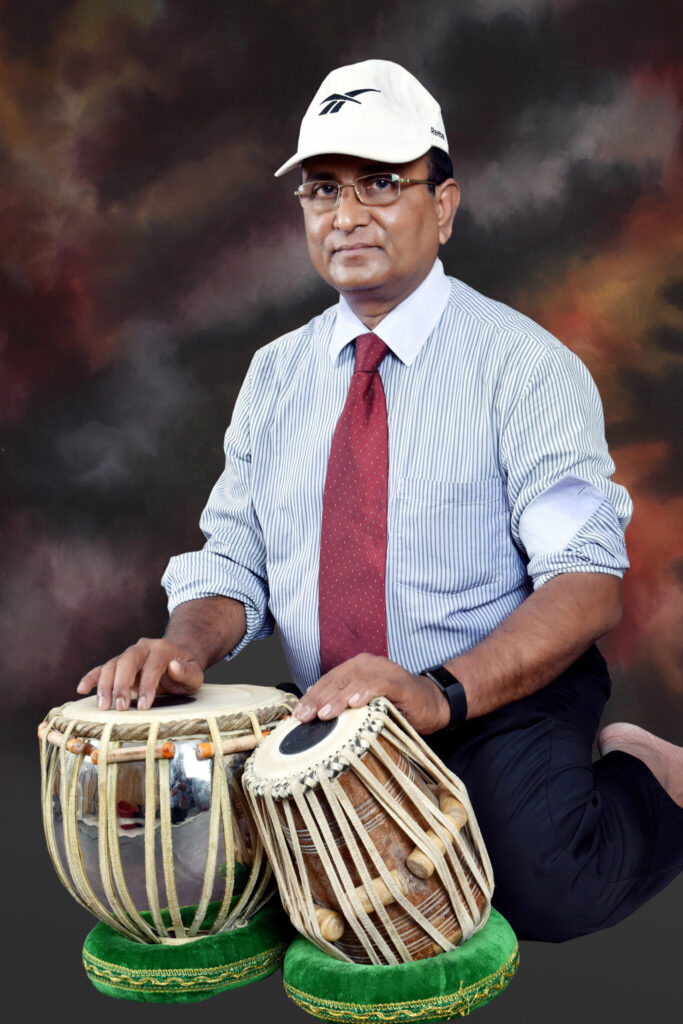
Tabla Rhythm Secrets: Understanding Theka, Thaah, Taal, Vibhaag & Aavartan, Tabla Rhythm Secrets: Understanding Theka, Thaah, Taal, Vibhaag & Aavartan
The tabla is not just a percussion instrument—it is a complete rhythmic language. Behind every mesmerizing tabla performance lies a well-structured system of rhythm that has evolved over centuries in Indian classical music. To truly understand how tabla works, one must become familiar with five foundational concepts: Theka, Thaah, Taal, Vibhaag, and Aavartan. These elements form the backbone of tabla rhythm and help musicians maintain balance, clarity, and creativity in performance.
Whether you are a beginner, a music student, or simply a curious listener, unlocking these “tabla rhythm secrets” will deepen your appreciation of this extraordinary instrument.
What Is Taal? The Framework of Rhythm
At the heart of tabla music lies the concept of taal. A taal is a rhythmic cycle made up of a fixed number of beats, known as matras. These beats repeat in a continuous loop, creating a sense of structure and timing in music.
Unlike Western time signatures, taals are cyclical rather than linear. This means that the rhythm always returns to its starting point, known as sam, which is the most important beat of the cycle. Popular taals such as Teentaal (16 beats), Keharwa (8 beats), and Jhaptaal (10 beats) are widely used in classical, semi-classical, and even film music.
In simple terms, taal is the rhythmic “container” within which all tabla compositions exist.
Theka: The Identity of a Taal
Every taal has a specific and recognizable pattern of bols (syllables), known as the theka. The theka is the basic rhythmic phrase that defines and identifies a taal.
For example, the theka of Teentaal is:
Dha Dhin Dhin Dha | Dha Dhin Dhin Dha | Na Tin Tin Na | Ta Dhin Dhin Dha
When a tabla player performs the theka, it helps the vocalist, instrumentalist, and audience clearly recognize the taal being played. Even when a tabla player improvises with kaydas, tukdas, or relas, the essence of the theka is always respected.
Theka is like the “signature” of a taal—it tells you exactly where you are in the rhythmic cycle.
Thaah: The Natural Tempo
Thaah refers to the normal or medium speed of a taal. It is the tempo at which a taal is traditionally introduced and understood. In learning and teaching, thaah plays a crucial role because it allows students to clearly hear and feel each matra.
Once a musician is comfortable with thaah, they can move on to faster rhythmic variations such as dugun (double speed), tigun (triple speed), and chougun (quadruple speed). No matter how fast or complex a performance becomes, thaah remains the reference point.
Think of thaah as walking speed—comfortable, balanced, and natural.
Vibhaag: Dividing the Rhythm
To make a taal easier to understand and perform, it is divided into sections called vibhaag. Each vibhaag contains a specific number of matras, and these divisions help musicians keep track of the rhythmic cycle.
Vibhaags are marked by taali (clap) and khali (wave), which create contrast and balance within the taal. For example, Teentaal has four vibhaags of four beats each, while Jhaptaal has an uneven division of 2+3+2+3.
Vibhaag gives shape to the taal, making it easier to navigate complex rhythmic patterns without losing control.
Aavartan: One Complete Cycle
An aavartan is one complete cycle of a taal—from sam to the next sam. When a tabla player completes one full set of matras and returns to the starting beat, one aavartan is finished.
In performance, musicians often build tension and excitement by playing compositions that resolve perfectly on sam at the end of an aavartan. This return creates a powerful sense of arrival and satisfaction for both performers and listeners.
Understanding aavartan helps students develop rhythmic accuracy and confidence.
How These Elements Work Together
The beauty of tabla rhythm lies in how these elements function as a unified system. Taal provides structure, theka gives identity, thaah sets the pace, vibhaag organizes the beats, and aavartan completes the cycle.
When these concepts are clearly understood, a tabla player can improvise freely while remaining grounded in rhythm. This balance between discipline and creativity is what makes tabla performances so dynamic and expressive.
Conclusion: The Language of Rhythm
Mastering the concepts of Theka, Thaah, Taal, Vibhaag, and Aavartan is essential for anyone serious about learning or understanding tabla. These are not just technical terms—they are the grammar of Indian rhythm.
By internalizing these foundations, students can progress from simple thekas to advanced compositions, while listeners can enjoy tabla music with greater awareness and joy. The secrets of tabla rhythm are timeless, and once unlocked, they open the door to a world of rhythmic brilliance.
https://www.facebook.com/sbsinghtablaguru