
Introducing the-Mind-Blowing 7-Beat Rhythm: Rupak Taal Peshkar Solo You MUST Hear! Mind-Blowing 7-Beat Rhythm: Rupak Taal Peshkar Solo You MUST Hear!
In the vast and intricate universe of Indian classical music, rhythm isn’t just a backdrop; it’s a living, breathing entity, a mathematical marvel interwoven with profound artistic expression. And when we talk about rhythmic cycles, or taals, few possess the captivating allure and unique challenge of Rupak Taal. But what happens when this seven-beat wonder is explored through a Peshkar – the grand opening statement of a tabla solo?
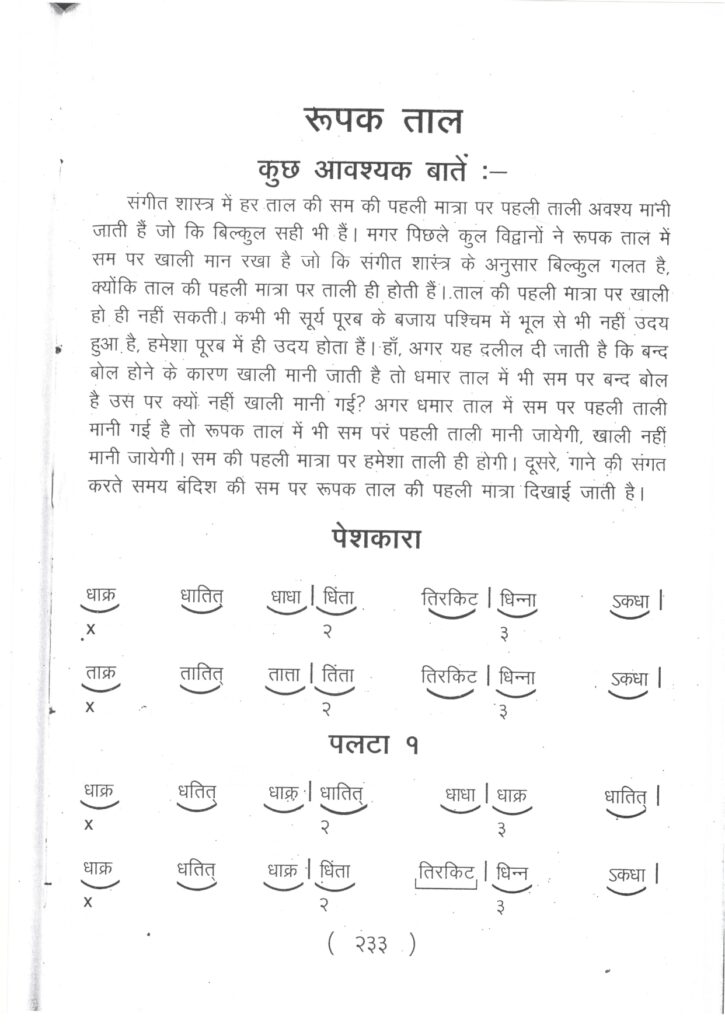
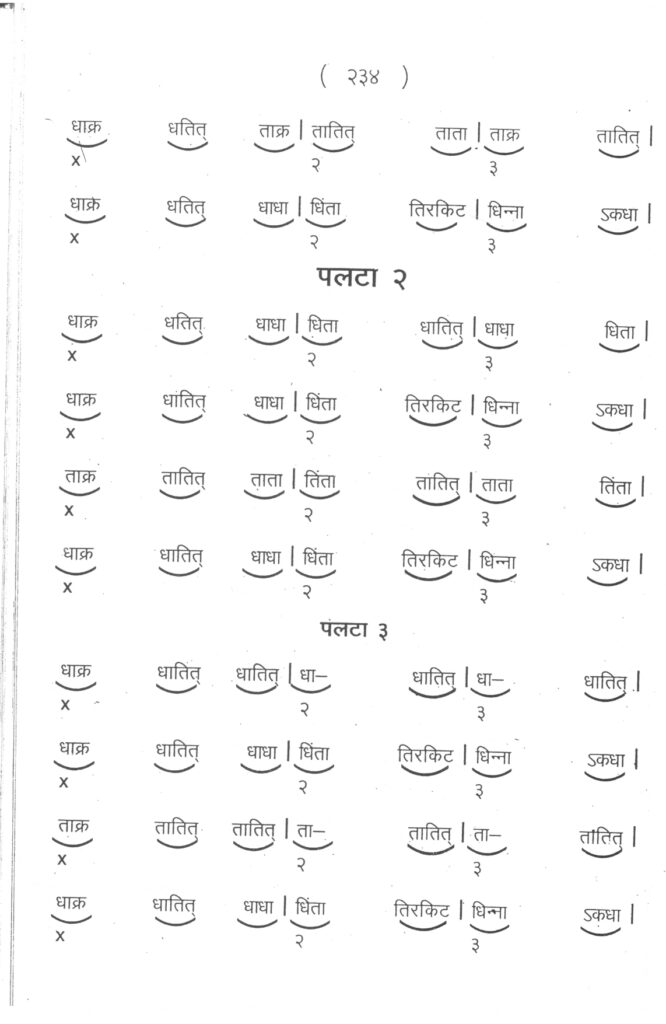
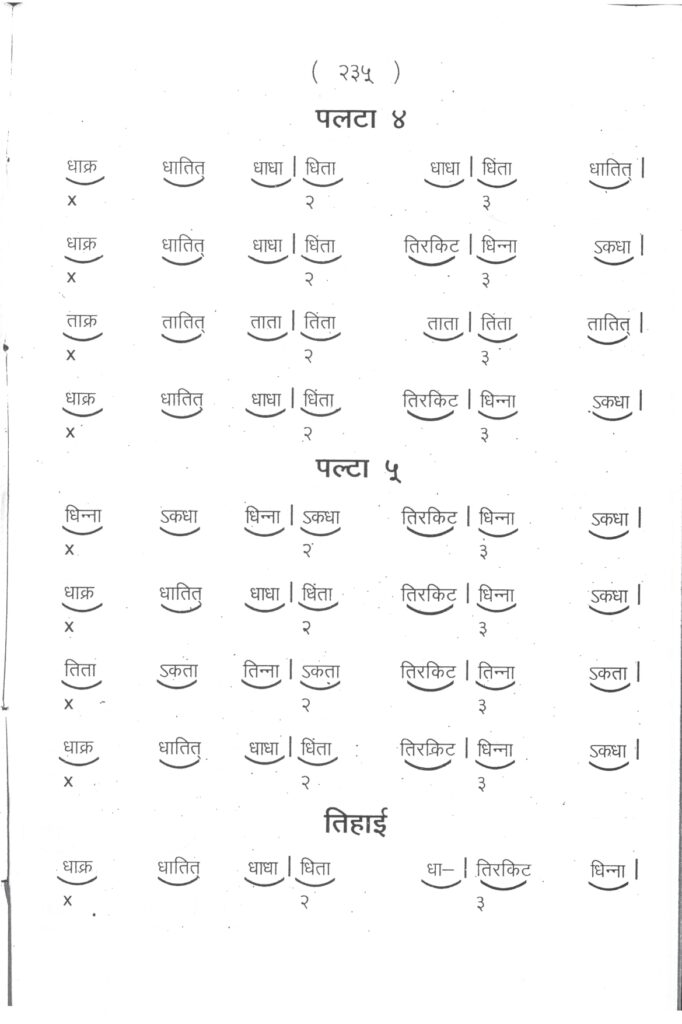
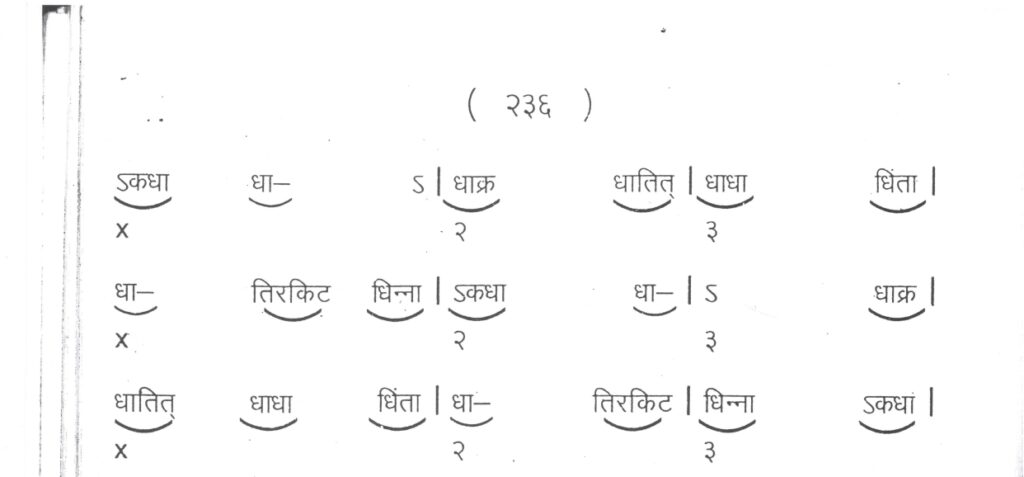
The answer, my friends, is nothing short of mind-blowing. Prepare yourself to discover why a Rupak Taal Peshkar solo isn’t just a performance; it’s an experience you absolutely must hear.
The Enigma of Rupak Taal: A 7-Beat Journey
Most rhythmic cycles in Indian classical music begin with a stressed beat, known as the Sam. Rupak Taal, however, stands apart. It begins with a khali (empty beat), creating an immediate sense of intrigue and a subtle shift in rhythmic perception. It’s structured as 3 + 2 + 2 beats, making its division:
Dhin – Ti – Na | Dhin – Na | Dhin – Na (1 | 2 | 3) (4 | 5) (6 | 7)
This seemingly simple seven-beat cycle is deceptively complex. Its unusual starting point demands a different approach from the tabla player, or tablist, and offers a unique sonic texture to the listener. It’s like a perfectly balanced see-saw, where the initial lightness only makes the subsequent swings more impactful.
What is a Peshkar? The Grand Overture
Before delving into the magic, let’s understand the Peshkar. Imagine walking into a magnificent concert hall. The Peshkar is the grand overture, the majestic opening statement that sets the tone for the entire performance. In a tabla solo, the Peshkar is the improvisational introduction, where the tablist explores the basic structure of the taal in a slow to medium tempo, gradually revealing the essence of the rhythm.
It’s akin to an artist sketching the outlines of a masterpiece before filling it with vibrant colors. The Peshkar showcases the tablist’s profound understanding of the taal, their control over the instrument, and their creative vision, all while adhering to the fundamental rhythmic framework. It’s a delicate balance of spontaneity and tradition.
The Confluence: Rupak Taal Meets Peshkar
Now, combine the enigmatic 7-beat Rupak Taal with the expansive, exploratory nature of a Peshkar. The result is a performance that is both intellectually stimulating and deeply emotionally resonant.
In a Rupak Taal Peshkar, the tablist embarks on a journey, weaving intricate patterns within the 7-beat cycle. You’ll hear the characteristic bols (syllables) of the tabla – dhin, ta, tirakit, dhage, tete – articulated with precision and grace. Because Rupak starts with a khali, the tablist often plays with this inherent “openness,” creating phrases that subtly shift your perception of where the beat truly lies. It’s a game of rhythmic hide-and-seek, played by a master.
The beauty lies in the improvisation. Each iteration of the 7-beat cycle is a canvas for the tablist to paint new variations, developing themes and counter-themes, all while gracefully returning to the Sam (the first beat) or the khali at the beginning of the cycle, guiding the listener through the rhythmic landscape.
Why You MUST Hear It
- Unique Rhythmic Experience: If you’re accustomed to other taals like Teen Taal (16 beats) or Ektal (12 beats), Rupak Taal offers a refreshing change of pace and structure. Its asymmetry within the cycle makes it incredibly engaging.
- Intellectual & Emotional Depth: A skilled tablist performing a Rupak Peshkar doesn’t just play notes; they tell a story. You’ll hear moments of contemplative beauty, sudden bursts of energy, and patterns that will make you marvel at the human capacity for rhythmic invention.
- Witness Virtuosity: The Peshkar is where a tablist truly shines. It demands clarity, control, imagination, and a deep connection to the taal. Hearing a master navigate the complexities of Rupak Taal in a Peshkar is to witness musical genius in action.
- A Gateway to Indian Classical Music: For newcomers, a well-executed Rupak Taal Peshkar can be an incredibly accessible entry point into the richness of Indian classical rhythm. It’s captivating without being overwhelming, offering a clear framework for appreciating the improvisation.
Don’t Just Read About It, Experience It!
Words can only go so far in describing the intricate beauty of this art form. The true appreciation comes from listening. Seek out performances of Rupak Taal Peshkar. You’ll find incredible examples from legendary masters and contemporary virtuosos alike. Pay attention to the subtle variations, the intricate divisions of time, and the sheer joy emanating from the tabla.
So, go ahead. Immerse yourself in the “Mind-Blowing 7-Beat Rhythm” of a Rupak Taal Peshkar. Let its unique pulse transport you, challenge your perceptions of rhythm, and leave you utterly enchanted. It’s more than music; it’s an exploration of time itself, an experience that will resonate long after the final bol fades.
https://www.facebook.com/sbsinghtablaguru