
Indication-Discover the Magic of Aarachautaal (14 Beats): Farmashi & Kamali Chakradhar Prans and Gat in Action,Unlocking the Power of Aarachautaal (14-Beat Cycle): Exploring Pran, Farmashi Chakradhar, Kamali Chakradhar & Gat,“Master the 14-Beat Aarachautaal: The Beauty of Pran, Farmashi & Kamali Chakradhar, and Gat Explained,Aarachautaal Unveiled: Dive into the Art of 14-Beat Tabla Compositions — Pran, Chakradhar & Gat,Rhythmic Brilliance in 14 Beats: Aarachautaal’s Pran, Farmashi Chakradhar, Kamali Chakradhar & Gat,From Tradition to Tempo: Exploring Aarachautaal’s 14-Beat Pran, Chakradhar & Gat Variations,
Discover the Magic of Aarachar Taal (14 Beats): Farmaishi & Kamali Chakradhar Prans and Gat in Action
If rhythm is the heartbeat of Indian classical music, then Aarachar Taal—also known as Aarachautaal—is one of its most fascinating pulse patterns. With its 14-beat cycle and intricate variations, Aarachar Taal has captured the imagination of tabla maestros and rhythm lovers alike. It’s a taal that blends mathematical precision with expressive artistry, giving rise to mesmerizing compositions such as Farmaishi Chakradhar, Kamali Chakradhar, and Gat.
In this post, we’ll explore the beauty, structure, and soul of Aarachar Taal, and how these intricate patterns come alive in performances that leave audiences spellbound.
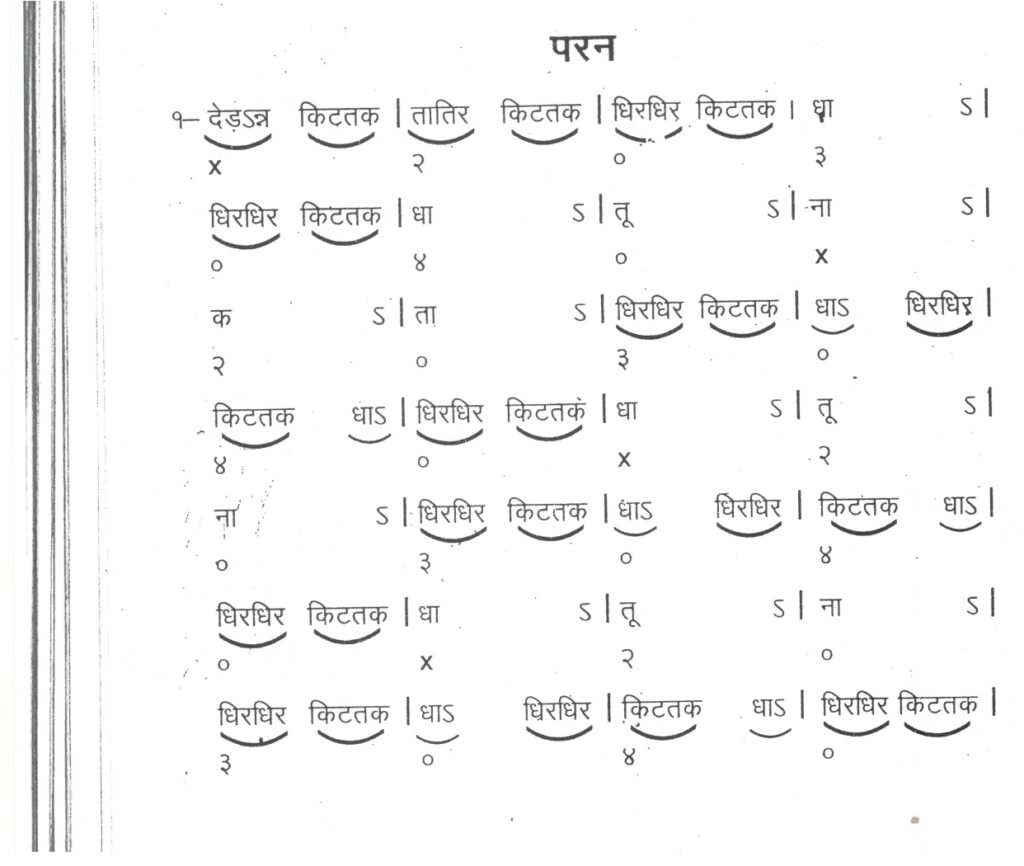
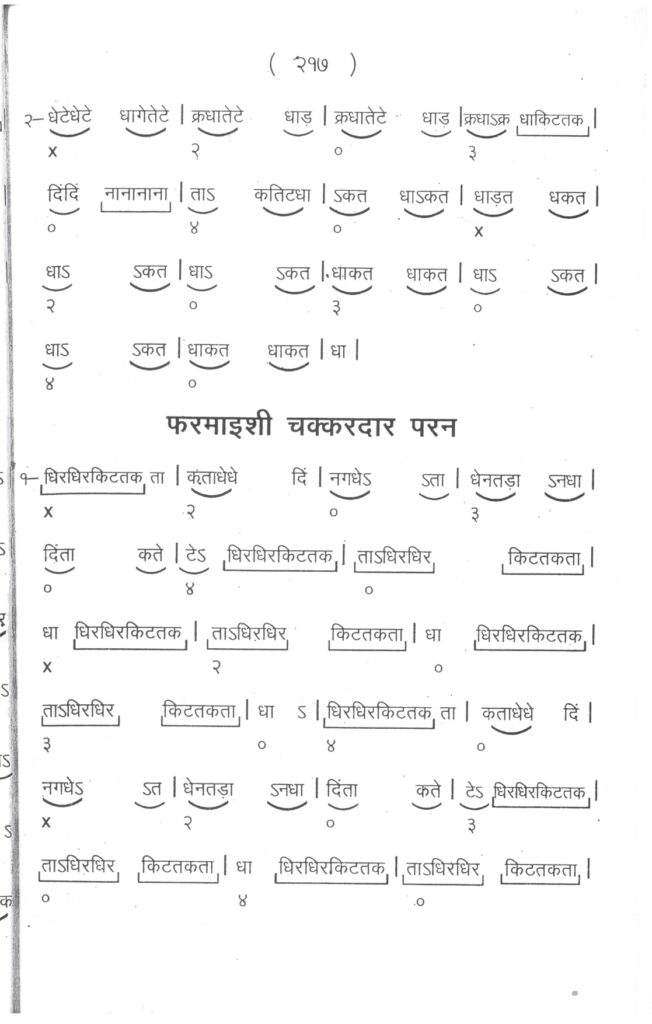
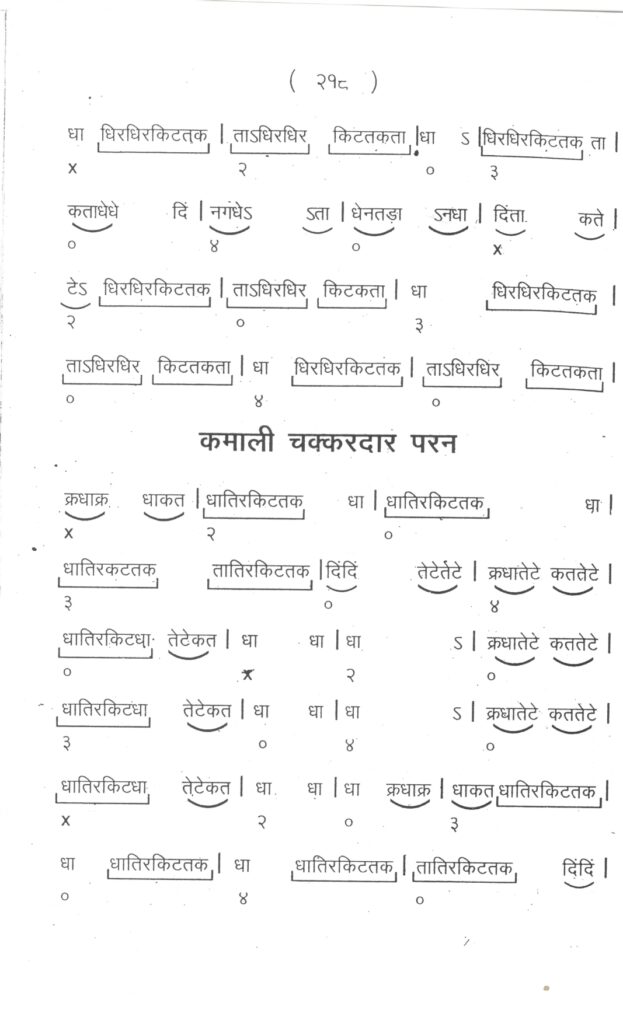
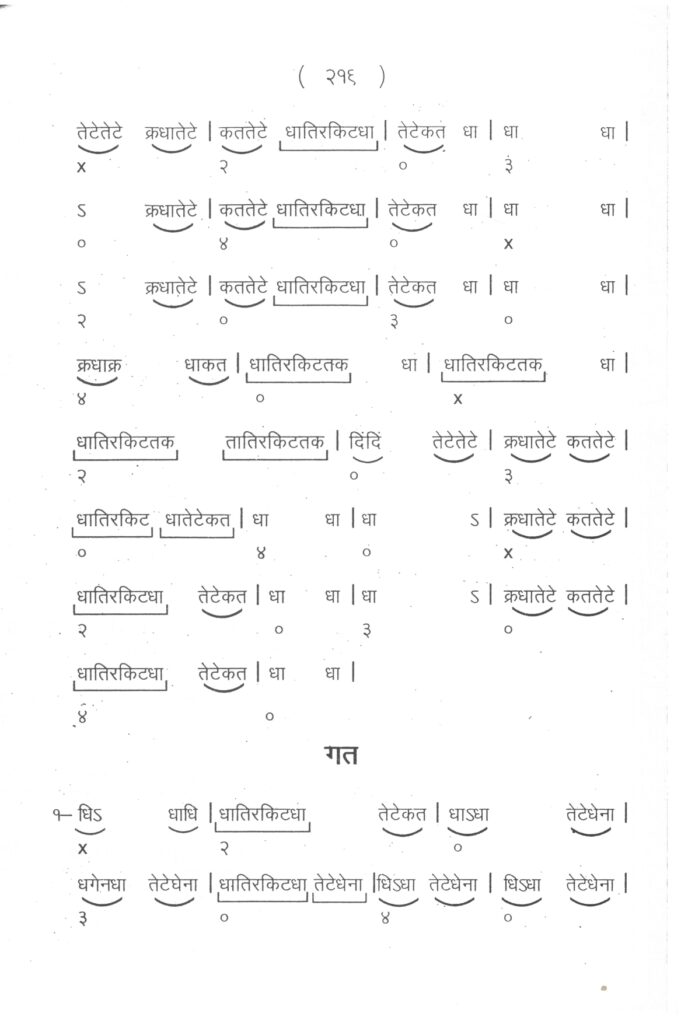
🪘 What is Aarachar Taal?
Aarachar Taal (or Aarachautaal) is a 14-beat rhythmic cycle widely used in Hindustani classical music, especially in instrumental and vocal accompaniment. While it shares the same beat count as the well-known Dhamar Taal, Aarachar Taal has its own distinct structure and theka (basic pattern).
A typical theka (basic pattern) of Aarachar Taal looks like this:
Dha Dhin Dhin Dha | Dha Tin Tin Ta | Ta Dhin Dhin Dha | Dha Tin Tin Ta
Each of these divisions, or vibhags, helps performers and listeners keep track of the rhythm as it cycles through its 14 beats. It’s often performed at medium or fast tempo, making it ideal for complex tabla compositions like Prans and Chakradhars.
🌟 The Beauty of Pran, Farmaishi Chakradhar, and Kamali Chakradhar
Let’s delve into three of the most captivating rhythmic forms that bring Aarachar Taal to life: Pran, Farmaishi Chakradhar, and Kamali Chakradhar.
1. Pran – The Soul of a Composition
In tabla terminology, a Pran is a rhythmic idea or design that captures the spirit of the taal. It’s like a “signature pattern” that reveals the composer’s creativity and command over rhythm. In Aarachar Taal, the Pran serves as the foundation upon which the entire composition is built.
A well-crafted Pran maintains the 14-beat framework while offering endless possibilities for improvisation. It’s the perfect blend of discipline and freedom, showing the depth of a tabla artist’s imagination.
2. Farmaishi Chakradhar – The Performer’s Pride
A Chakradhar is a cyclic composition repeated three times, resolving neatly on the sam (the first beat of the taal). The Farmaishi Chakradhar takes this one step further — it’s performed on special request (farmaish) and often designed to impress both connoisseurs and casual listeners alike.
In Aarachar Taal, a Farmaishi Chakradhar might feature intricate bols (syllables) arranged in symmetrical patterns, creating a thrilling crescendo that loops perfectly back to the sam. Tabla maestros like Pandit Anindo Chatterjee and Ustad Zakir Hussain have been known to weave Farmaishi Chakradhars that showcase breathtaking precision and emotion.
3. Kamali Chakradhar – A Display of Brilliance
The Kamali Chakradhar is considered a complex and ornamental form of Chakradhar. “Kamali” means miraculous or dazzling, and these compositions truly live up to the name. They are characterized by rapid-fire bols, intricate cross-rhythms, and creative phrasing that challenge even the most seasoned tabla players.
Kamali Chakradhars in Aarachar Taal are not just technical feats—they are rhythmic poetry. Each cycle builds momentum, teasing the listener with anticipation before landing perfectly on the sam with breathtaking precision.
🎶 Gat – The Melodic Counterpart
While tabla compositions explore rhythm, the Gat complements them with melody. In instrumental music (like sitar or sarod), Gat refers to a fixed melodic composition set to a particular taal. When set to Aarachar Taal, a Gat takes on a unique flavor — elegant, unpredictable, and rhythmically rich.
The interplay between the Gat and the tabla in Aarachar Taal performances creates a mesmerizing dialogue. The tabla’s Farmaishi or Kamali Chakradhar weaves around the Gat’s melody, transforming the performance into a dance between melody and rhythm.
🌍 Aarachar Taal in Today’s Music Scene
Interestingly, Aarachar Taal and its complex patterns are finding new life in fusion music, film scores, and even electronic rhythm experiments. Contemporary artists are blending traditional tabla compositions with global beats, introducing the 14-beat cycle to new audiences worldwide.
From the grand stages of Sawai Gandharva Festival to experimental fusion projects like Tabla Beat Science, the spirit of Aarachar Taal continues to inspire innovation while staying rooted in tradition.
🧠 Quick Tabla Quiz!
Think you know your taals? Try this one:
Q: How many beats are there in Aarachar Taal?
A) 10 B) 12 C) 14 D) 16
(Answer: C – 14 Beats!)
🎧 Experience the Magic
Check out performances by maestros like Pandit Kumar Bose, Ustad Zakir Hussain, and Pandit Swapan Chaudhuri, where Aarachar Taal’s intricate beauty shines through.
👉 Watch: Zakir Hussain’s Aarachar Taal Masterclass on YouTube
👉 Listen: Tabla Fusion featuring Aarachar Taal rhythms
🎼 Conclusion
Aarachar Taal is more than just a 14-beat cycle — it’s a universe of rhythm, structure, and creativity. From the elegant Pran to the electrifying Kamali Chakradhar, it showcases the tabla’s infinite expressive power. As new generations of artists reinterpret these patterns, Aarachar Taal continues to prove that rhythm, like music itself, is timeless.
So, the next time you listen to a tabla solo or fusion groove, listen closely — you just might hear the magic of Aarachar Taal beating beneath the surface.
https://www.facebook.com/sbsinghtablaguru
https://tablanawazacademy.com/shree-bhagwan-singh-international-tabla-teacher